You can learn a lot from an Albuquerque home listing in just a few lines, but only if you know how to read the local shorthand. Words like “pueblo-style,” “refrigerated air,” and “HOA” may sound simple, yet they often hint at construction details, comfort differences, and monthly costs that matter long after closing. If you want to shop smarter and avoid surprises, this guide will help you decode what Albuquerque listings are really telling you. Let’s dive in.
Why Albuquerque listings need local context
In Albuquerque, listing descriptions often pack several ideas into a small space. A few words may reference the home’s style, its cooling system, and ownership costs all at once.
That matters because Albuquerque includes very old adobe homes, Spanish-Pueblo Revival influences, and newer suburban construction. The city’s dry climate also makes cooling language especially important, while HOA and property tax details can change your true monthly payment.
Read style words as clues
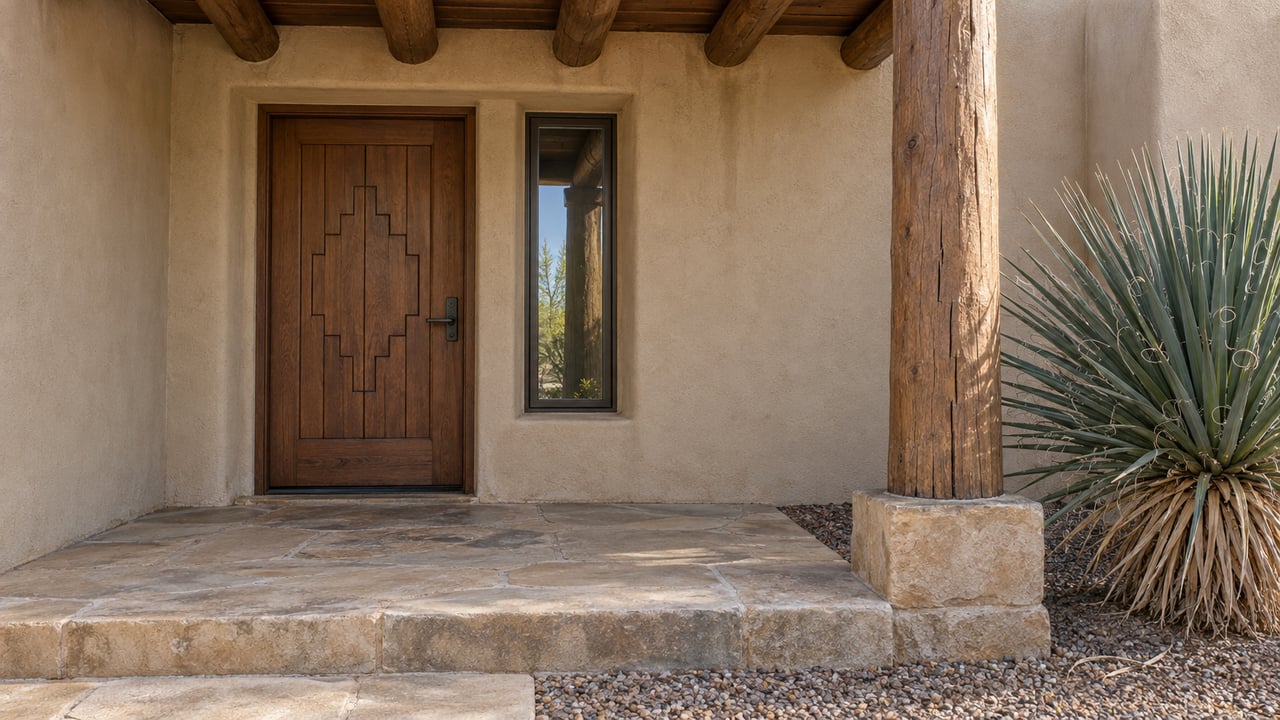
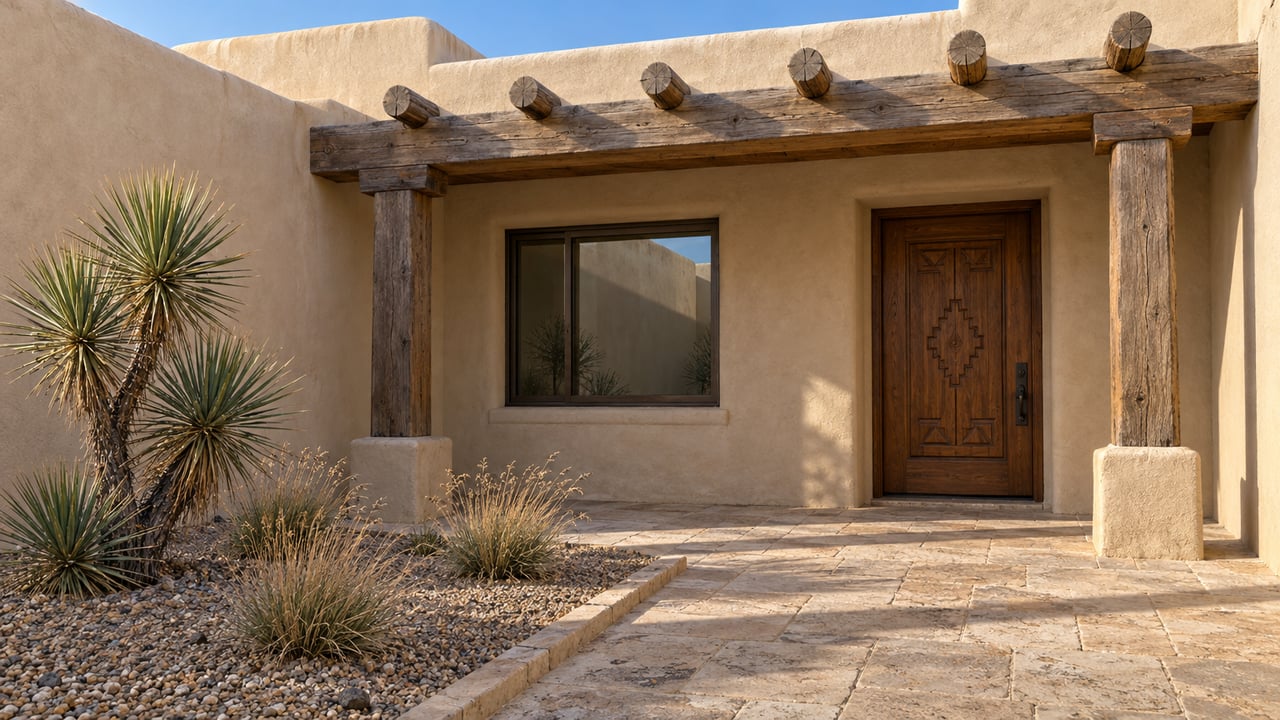
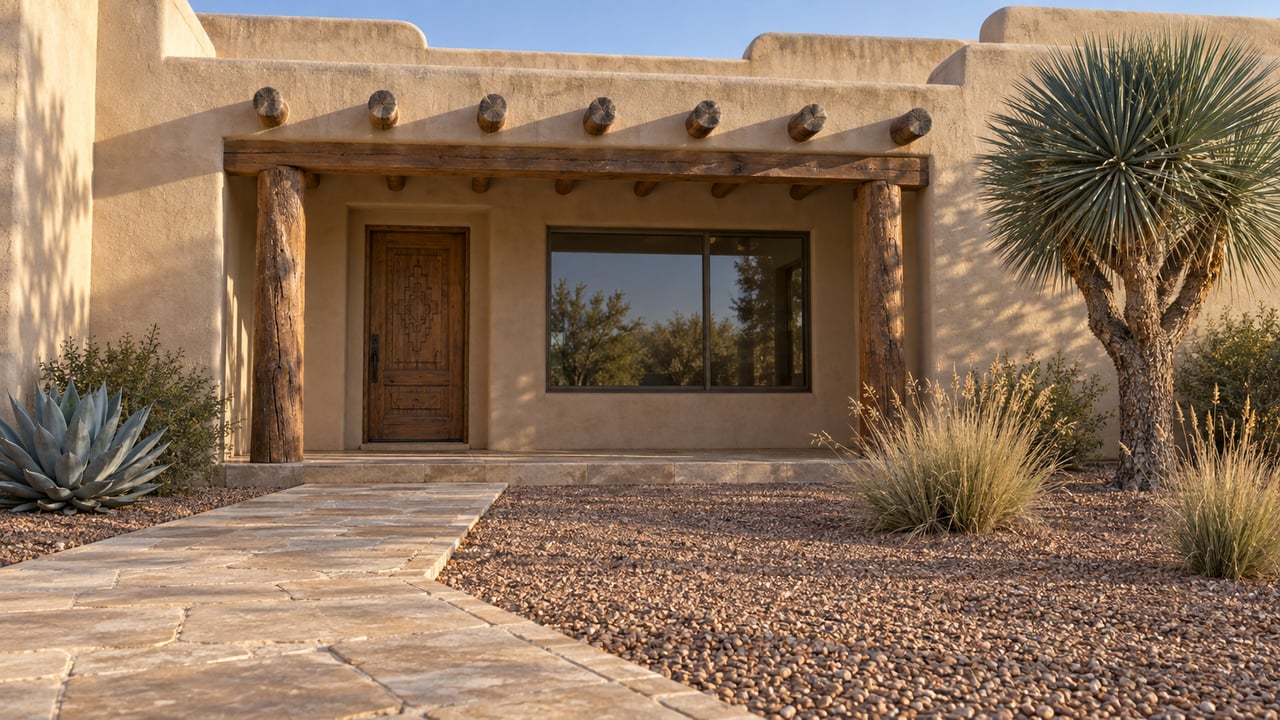
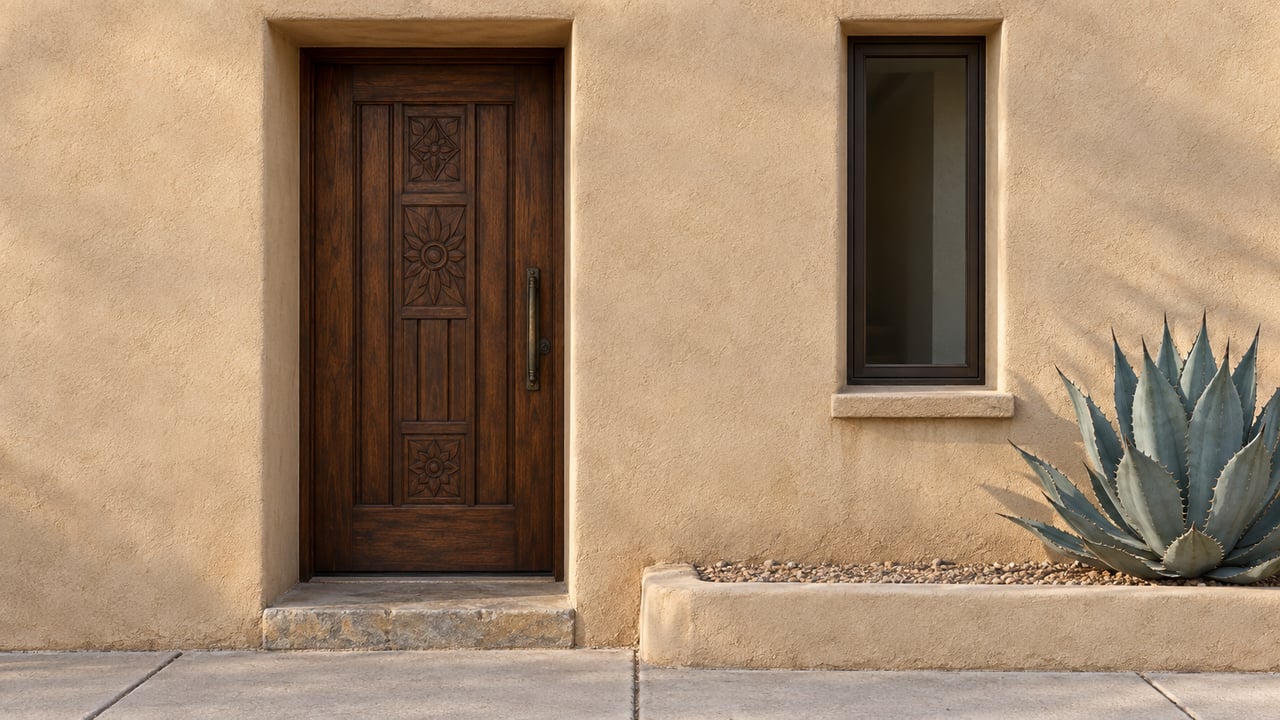
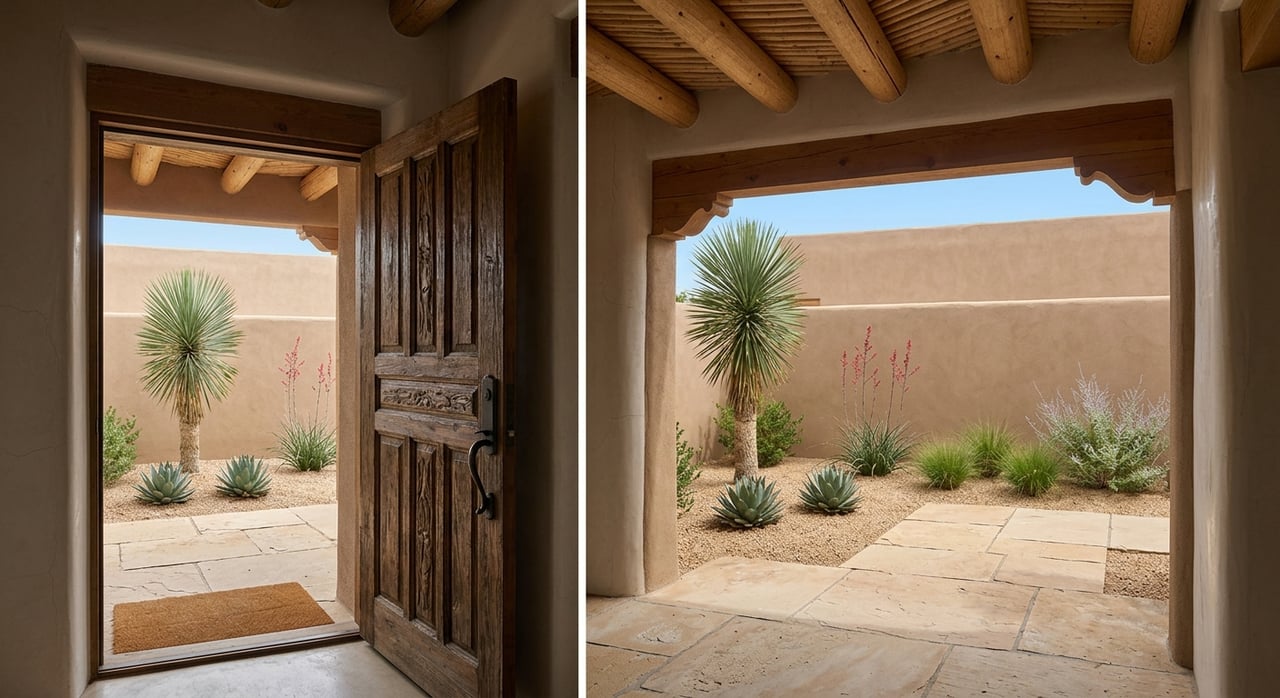
When you see terms like pueblo-style, Spanish-Pueblo Revival, adobe, vigas, parapet, flat roof, or stucco, treat them as visual clues first. In Albuquerque, those words often describe a regional look rather than a full explanation of how the home was built.
City landmark descriptions use features like exposed vigas, battered walls, rounded parapets, stuccoed adobe walls, and recessed openings to identify Spanish-Pueblo Revival buildings. That tells you the listing language may reflect design vocabulary, not a detailed construction summary.
What “pueblo-style” does not confirm
A pueblo-style listing does not automatically mean the home is all original adobe. City planning materials note that adobe buildings are easy to remodel, and additions, new roof materials, modern windows, and replacement doors can significantly change the historic character of a property.
In practical terms, a home can present an “old New Mexico” look while including later updates or non-adobe sections. That is why style words should start your questions, not end them.
Questions to ask about style
If a listing leans heavily on architectural charm, ask a few direct follow-up questions:
- Are the walls actual adobe, stucco over frame, or a mix?
- Have there been later additions or major exterior changes?
- What kind of roof does the home have, and when was it last maintained?
- Have the parapets been repaired or updated?
- Is the property in a historic overlay zone?
These questions help you separate appearance from construction reality.
Understand historic overlay language
Albuquerque’s built environment spans centuries, from very early Old Town structures to 20th-century revival homes and later infill development. That wide age range is part of what makes the city’s housing stock so interesting, but it also means age and style language can be incomplete.
If a home is in a Historic Protection Overlay zone, many exterior projects may require a Certificate of Appropriateness before work begins. That can affect your plans if you hope to replace windows, alter the roofline, change the facade, or move quickly on a remodel.
Why historic status matters to buyers
Historic status is not inherently good or bad. It simply means you should understand the rules before you fall in love with a project.
If you are relocating, buying your first home, or planning updates after closing, this is especially important. A listing’s charm may be real, but your ability to change exterior features may be more limited than you expect.
Decode cooling terms carefully
In Albuquerque, cooling language matters more than it does in many other markets. NOAA climate normals show Albuquerque receives 8.84 inches of annual precipitation, and the U.S. Department of Energy classifies climates with under 20 inches of annual precipitation as hot-dry or mixed-dry for building and cooling purposes.
That dry climate is a big reason evaporative cooling is common here. It is also why two homes with similar listing prices can offer very different summer comfort and maintenance needs.
What evaporative cooling means
An evaporative cooler works by passing outdoor air over water-saturated pads to lower the air temperature before it enters the home. According to the Department of Energy, these systems are designed for low-humidity areas, usually require windows to be partially open, use about one-quarter of the energy of central air conditioners, and need regular maintenance and water.
The tradeoff is that they do not cool a house as low as a conventional air conditioner. They can also feel different when humidity rises.
Why Albuquerque summers change the picture
The National Weather Service notes that the moist phase of the North American monsoon typically reaches the central Rio Grande Valley, including Albuquerque, around July 9 on average. For you as a buyer, that means a cooler that feels great in a very dry stretch may perform differently later in the summer.
So if a listing simply mentions cooling, you will want more detail. Not all cooling systems deliver the same experience in every part of the season.
What “refrigerated air” usually signals
In Albuquerque real estate shorthand, refrigerated air usually signals that the home has standard AC rather than an evaporative-only setup. That wording can be a meaningful selling point locally.
Still, the better question is not just whether the home has cooling. Ask what kind of cooling it has, how old the system is, and whether the home was designed for that setup.
Questions to ask about cooling
Use this quick list when a listing mentions refrigerated air, evap cooling, or both:
- Does the home have central AC, an evaporative cooler, or both?
- Is the evaporative cooler roof-mounted or ground-mounted?
- When were the pads, pump, and ducts last serviced?
- Are there records for maintenance or replacement?
- Were roof penetrations related to the cooler inspected or repaired?
Those questions can help you tell the difference between a true system upgrade and a vague marketing phrase.
Slow down when you see HOA language
If an Albuquerque listing mentions an HOA, condo association, or planned community, do not stop at the dues number. In New Mexico, the required disclosure package for condominium and planned-community transactions can include much more than a monthly fee.
Before conveyance, the seller or seller’s broker must provide governing documents and a resale certificate or disclosure package. That package may identify monthly common expense assessments, unpaid common or special assessments, other owner fees, anticipated capital expenditures, reserve amounts, financial statements, the operating budget, pending suits, and insurance coverage.
Why HOA details affect affordability
A low monthly dues amount does not always mean low ownership costs. Planned projects, special assessments, weak reserves, or insurance structure can all affect your budget and future resale considerations.
That is why an HOA mention should prompt a document review, not just a quick glance at the monthly amount.
A current New Mexico HOA rule
As of July 1, 2024, a New Mexico homeowner association may not assess a fee on the sale of a lot or real property in its development. If a transaction involves HOA costs, it is important to distinguish ordinary dues and special assessments from any suggestion that the association can charge a fee just because the home is being sold.
Questions to ask about HOA costs
If a listing includes HOA language, ask:
- Is the property a condo, townhome, or in a planned community?
- What are the current dues?
- Are any special assessments pending?
- Is major capital work planned?
- Are there rules that affect rentals, pets, parking, landscaping, or exterior paint?
- Can you review the declaration, bylaws or rules, and resale certificate?
These details often shape the real cost of ownership more than the headline dues figure.
Treat tax figures as preliminary
Property tax lines in listings can be useful, but they are not the final word. Under New Mexico’s Real Estate Disclosure Act, the current year’s property tax on a residential property can be a misleading guide to future taxes after a sale.
The seller or seller’s broker must request an estimated property tax levy from the county assessor using the listed price. Even then, the assessor’s estimate may still differ from the actual post-closing tax bill.
Why this matters for your budget
If you are trying to calculate a true monthly payment, an old tax figure may understate what you will actually pay after purchase. This can be especially important for first-time buyers, relocations, and anyone shopping on a firm monthly budget.
A better approach is to ask for the assessor’s estimated post-sale tax and compare that with the portal or listing number.
A simple Albuquerque listing checklist
Before you decide a home is the one, use this local checklist:
- Style words: Verify whether the home is adobe, stucco over frame, or a later remodel.
- Cooling words: Confirm whether the home has central AC, evaporative cooling, or both.
- Historic words: Check whether the property is in a Historic Protection Overlay zone.
- HOA words: Review dues, special assessments, reserves, and planned capital work.
- Tax words: Ask for the assessor’s estimated post-sale property tax.
- Age words: Ask what was replaced, when it was done, and whether work was permitted.
This kind of review helps you move from attractive listing language to decision-ready information.
Why local guidance helps
Albuquerque listings can be beautiful, concise, and a little cryptic all at once. A few familiar local terms can point to real differences in comfort, maintenance, remodeling options, and monthly expenses.
When you understand how to read those clues, you can ask better questions and make more confident decisions. If you want help evaluating a home, comparing neighborhoods, or sorting through the details behind a listing, April Rodas is here to help.
FAQs
What does pueblo-style mean in an Albuquerque home listing?
- In Albuquerque, pueblo-style usually describes a regional architectural look, such as stucco, vigas, parapets, and recessed openings, rather than confirming exact construction materials.
What should you ask when an Albuquerque listing says adobe?
- Ask whether the home is true adobe, stucco over frame, or a mix, and whether additions or exterior changes were made over time.
What does refrigerated air mean in an Albuquerque listing?
- In local shorthand, refrigerated air usually means standard AC rather than evaporative-only cooling, but you should still confirm the system type, age, and maintenance history.
How does evaporative cooling work in Albuquerque homes?
- Evaporative coolers pass outdoor air over water-saturated pads, work well in dry climates, use less energy than central AC, and usually require regular maintenance and partially open windows.
Why does HOA language matter in Albuquerque home listings?
- HOA language can point to dues, special assessments, reserve funding, planned projects, insurance structure, and rules that may affect your costs and how you use the property.
Are listing property taxes accurate for Albuquerque buyers?
- Current listing tax figures can be misleading after a sale, so you should ask for the county assessor’s estimated post-sale tax based on the purchase price.
How do you know if an Albuquerque home is in a historic overlay zone?
- Ask whether the property is in a Historic Protection Overlay zone, because many exterior changes in those areas may require city review and a Certificate of Appropriateness.