What if downsizing in Albuquerque did not mean giving up character, convenience, or the feeling of being connected to your city? If you are an empty nester or planning a lower-maintenance next chapter, you may be looking for a home that lets you do more on foot and worry less about upkeep. The good news is that Albuquerque does offer that lifestyle, but usually in specific pockets rather than across the whole city. This guide will help you understand where walkable living is strongest, what kinds of homes tend to fit a downsizer move, and how to evaluate your options with confidence. Let’s dive in.
Walkable Albuquerque Is About Pockets
Albuquerque is not uniformly walkable. Walk Score places the city at 43 overall, which means your day-to-day experience can vary a lot depending on where you live.
The strongest walkable areas are in the inner core. Nob Hill scores 85, Huning Highland Historic District scores 85, University Heights scores 84, Barelas scores 78, and Wells Park scores 65.
For many empty nesters and downsizers, that matters more than the citywide average. If your goal is to walk to coffee, dinner, basic services, or a local shop, you will usually want to focus on neighborhoods near Central Avenue, Downtown, Old Town, or nearby historic districts.
Why Walkability Matters When You Downsize
A downsizing move is often about more than square footage. You may want less yard work, fewer home maintenance demands, and an easier daily routine.
Walkable living can support that shift. In the right Albuquerque neighborhood, you may be able to trade some driving for a short walk to a restaurant, café, gallery, pharmacy, or grocery stop.
That lifestyle can also make a home feel more usable beyond its walls. When nearby streets, public spaces, and local businesses become part of your routine, a smaller home can still feel full and connected.
Best Areas for Walkable Living
Nob Hill for Errands and Everyday Convenience
Nob Hill is one of Albuquerque’s clearest examples of errands-first walkability. Nob Hill Main Street says the district has more than 300 businesses and more than 50 restaurants along a one-mile walkable stretch.
That kind of concentration can be especially appealing if you want a lifestyle built around convenience. Coffee shops, cafes, retail, salons, bars, and services are all part of the mix.
The city’s Nob Hill Highland plan adds another practical layer. It describes groceries, pharmacies, pet stores, child care, and other services along Central, Lomas, and San Mateo, which helps explain why this area stands out for daily needs.
Housing also fits the downsizer conversation. The same plan says 69.7 percent of homes were built before 1960, pointing to older housing stock rather than newer large-lot subdivisions.
Why Nob Hill Appeals to Downsizers
If you want to leave behind a larger property but keep a lively routine, Nob Hill is often a strong match. You can look for an older home with character while staying close to everyday destinations.
This can be a practical way to reduce maintenance without giving up neighborhood energy. For many buyers, that balance is the real goal.
Downtown for Urban Character
Downtown offers a different kind of walkable living. The City of Albuquerque describes it as the center of government and business, with concerts, conventions, murals, nightlife, art walks, community celebrations, and the historic Route 66.
The city is also actively focused on making Downtown easier to navigate and enjoy. Planning priorities include connectivity, wayfinding, parking and mobility, public spaces, housing, redevelopment, and a more walkable downtown.
Downtown is organized into five walkable districts. That structure can make it easier to think about your routine in smaller, more usable zones rather than one broad area.
Housing Near Downtown
For downsizers, nearby historic districts are especially worth watching. The Fourth Ward Historic Overlay Zone includes large houses alongside smaller cottages and bungalows, plus old-style apartment complexes and mostly single-family dwellings.
Downtown neighborhood housing styles include American Foursquare, Queen Anne, Colonial Revival, Tudor Revival, Territorial, Pueblo Style adobe, Victorian, Prairie Style, Bungalows, and Craftsman. That variety can create good opportunities for buyers who want smaller-footprint homes with architectural character.
If your ideal move includes charm, history, and a more urban setting, Downtown and its nearby historic neighborhoods may deserve a close look. This is one of Albuquerque’s best areas for blending walkability with vintage housing options.
Old Town for a Compact Historic District
Old Town offers a more plaza-centered walking experience. It is described as Albuquerque’s first neighborhood and a center for culture, architecture, shopping, art, and cuisine.
Visit Albuquerque says Old Town has more than 100 shops, galleries, and restaurants. Many original homes, shops, and government offices around the plaza have been converted into restaurants, art galleries, and shops.
That creates a compact district where walking can feel less like a chore and more like part of the experience. If your ideal afternoon includes strolling, browsing, dining, and spending time in a historic setting, Old Town has a distinct appeal.
What Housing Looks Like Near Old Town
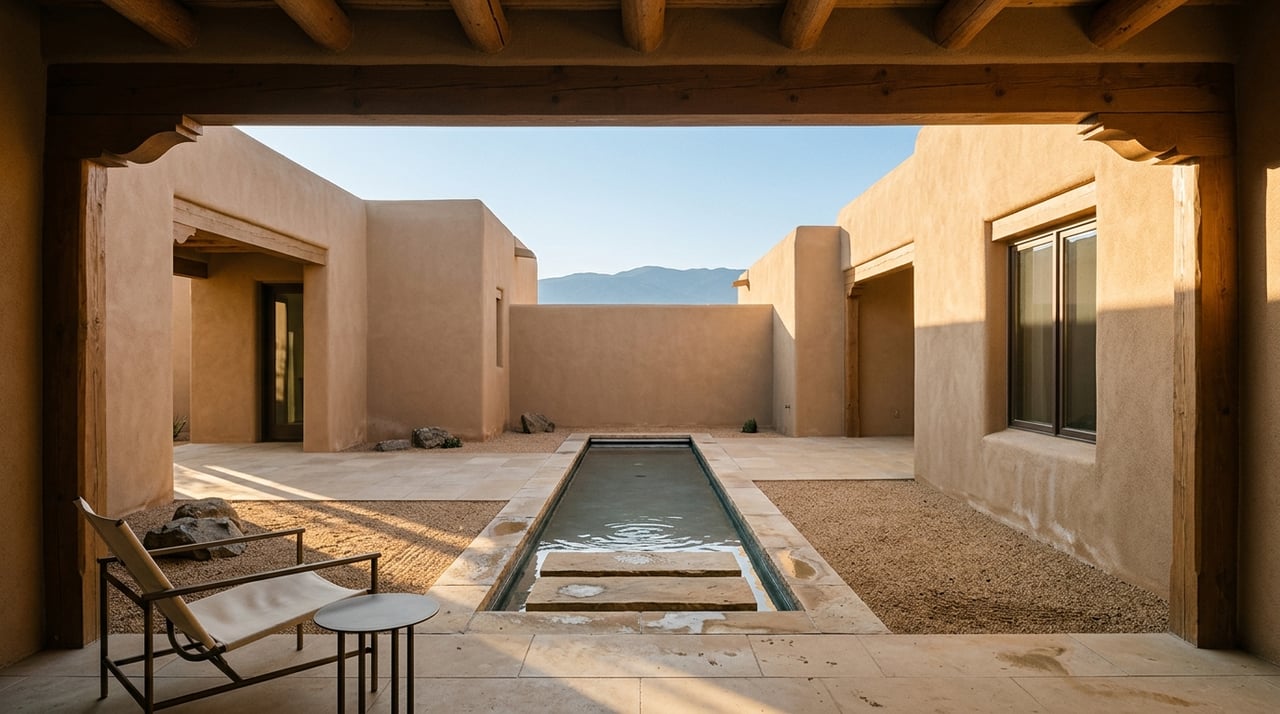
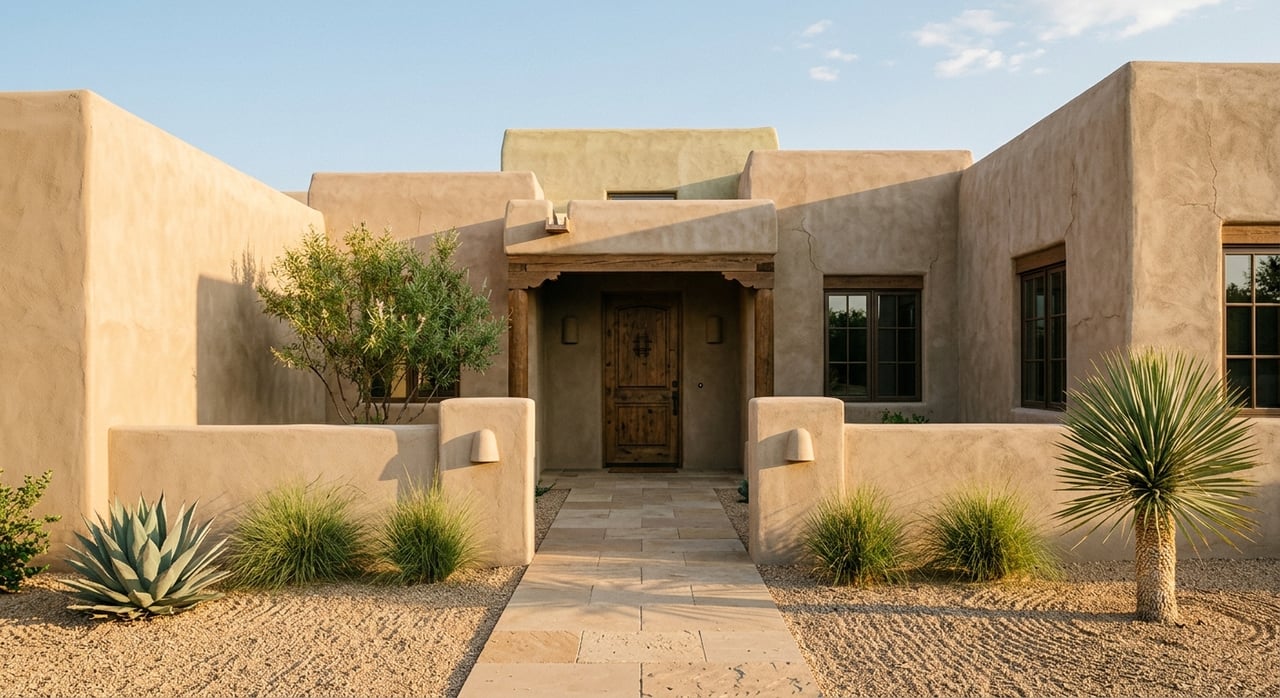
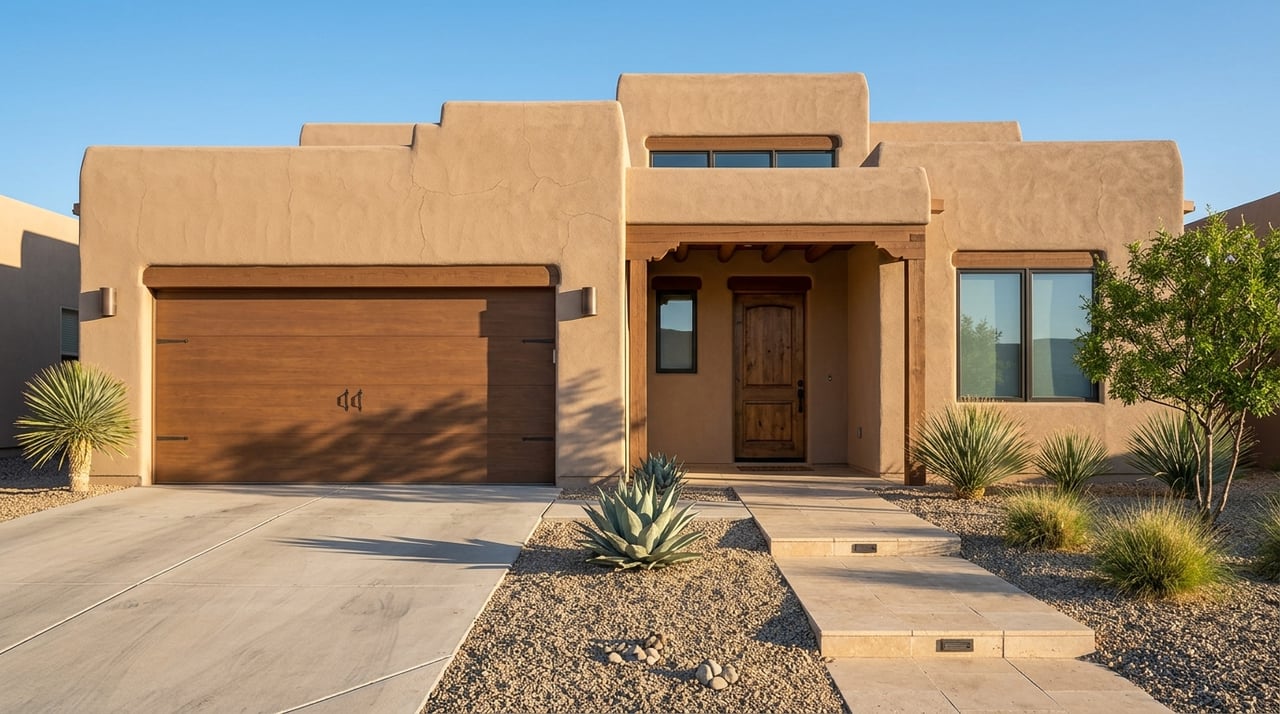
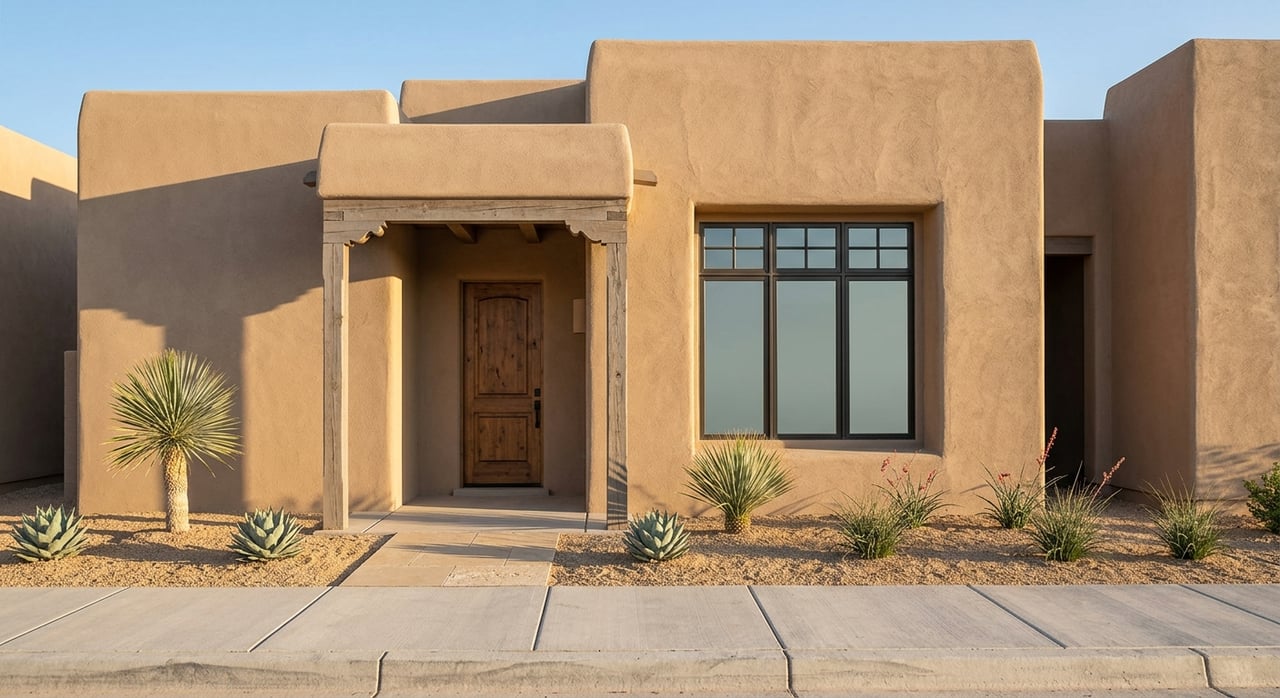
Architecture in Old Town is largely adobe, with some Victorian buildings also visible. That built environment can be especially appealing if you are looking for a home with Albuquerque character rather than a more typical suburban feel.
For empty nesters, Old Town is often less about checking every errand off your list and more about enjoying a compact, culture-rich setting. It is one of the city’s clearest lifestyle plays for walkable living.
Smaller Homes That Fit the Move
When you downsize, the home itself matters just as much as the neighborhood. In Albuquerque’s more walkable areas, the best fit is often not a brand-new large property, but a smaller and more manageable home type.
The strongest local patterns include smaller historic houses, renovated older homes, courtyard apartments, and casitas or accessory dwelling units. These options line up well with buyers who want lower upkeep and a simpler home base.
Casitas and ADUs in Albuquerque
Casitas are now allowed citywide in R-A, R-1, R-T, and R-ML zoning districts. In 2023, the city said casitas can help seniors age in place, which makes them especially relevant for downsizers.
In the Downtown Neighborhood Area, a casita is limited to 650 square feet and 18 feet high. While every property needs its own review, this gives you a sense of the smaller scale these homes can offer.
For some buyers, a casita or ADU may be the right way to stay in a central area while keeping maintenance low. For others, it may simply broaden the range of properties worth considering.
How to Judge Walkability for Yourself
Walkability is personal. A neighborhood that feels convenient to one buyer may feel too busy or too limited to another, so it helps to evaluate it through your own routine.
Start by thinking about the places you actually use each week. A practical test is whether you can comfortably reach coffee, groceries, a pharmacy, a restaurant, a park, and a few service businesses on foot.
Check the Street Experience
Sidewalks and crossings matter as much as destination count. AARP notes that sidewalks support social and economic life, while NACTO emphasizes features like wide sidewalks, benches, lighting, shade, and compact crossings near places people walk.
NACTO also notes that long detours to a crosswalk can lead pedestrians to choose unsafe shortcuts. When you tour a neighborhood, pay attention to how easy and comfortable the walk feels, not just how close things look on a map.
Look for a Transit Backup
Even if you plan to drive sometimes, a transit fallback can make car-light living easier. Albuquerque Rapid Transit, or ART, is a free bus rapid transit service with dedicated lanes, level-boarding stations, frequent all-day service, and a route that runs primarily along Central Avenue.
That route connects the west side, Downtown, Nob Hill, Uptown, and the east side. If you are focusing on the Central corridor, ART can be a helpful backup on days when you would rather not drive.
Match the Home to Your Maintenance Goals
A walkable location only works if the home supports the lifestyle you want. If your main goal is less upkeep, pay close attention to yard size, exterior maintenance, stairs, storage needs, and how much of the home you will really use.
In Albuquerque, downsizer-friendly choices often mean a smaller historic home, a renovated older property, a courtyard-style residence, or a casita. The right fit is usually the one that reduces work without sacrificing the parts of daily life you value most.
A Simple Way to Narrow Your Search
If you want the shortest version, here is a useful framework. Nob Hill is one of Albuquerque’s best examples of convenience-focused walkability, Downtown and nearby historic districts stand out for smaller vintage housing and urban character, and Old Town shines as a compact, culture-rich walking district.
That does not mean one area is best for everyone. It means each offers a different version of walkable living, and your next step is figuring out which one fits your routine, comfort level, and housing goals.
If you are planning a life-stage move, a calm and well-organized search can make a big difference. The best result is not just a smaller home. It is a home that supports how you want to live now.
If you are thinking about a walkable move in Albuquerque, April Rodas can help you compare neighborhoods, housing options, and maintenance tradeoffs so you can make a confident next-step decision.
FAQs
What are the most walkable Albuquerque areas for downsizers?
- For many downsizers, Nob Hill, Downtown-adjacent historic districts, Old Town, Huning Highland Historic District, University Heights, Barelas, and Wells Park are the most relevant places to explore because they offer stronger walkability than the city overall.
Is Albuquerque a good city for car-light living?
- Albuquerque can support car-light living in select inner-core neighborhoods, especially near Central Avenue, Downtown, Nob Hill, and Old Town, but it is not a walk-everywhere city overall.
What kinds of homes fit an empty-nester move in Albuquerque?
- Smaller historic houses, cottages, bungalows, renovated older homes, courtyard apartments, and casitas or ADUs are some of the most relevant home types for a lower-maintenance move.
What makes Nob Hill a strong option for walkable living in Albuquerque?
- Nob Hill stands out because it combines older housing with a one-mile stretch of more than 300 businesses and more than 50 restaurants, plus practical daily services like groceries and pharmacies nearby.
Are casitas allowed in Albuquerque for downsizers?
- Casitas are allowed citywide in R-A, R-1, R-T, and R-ML districts, and the city has said they can help seniors age in place, making them a useful option to consider in a downsizing plan.
How should you evaluate walkability before buying in Albuquerque?
- You should test whether your real routine works on foot, check sidewalks and crossings in person, look for a transit backup like ART, and make sure the home’s maintenance level matches your downsizing goals.