Wondering whether Albuquerque’s weather makes homeownership easier, pricier, or just different? The short answer is yes to all three. If you are buying, selling, or relocating to Albuquerque, understanding the city’s sunny, dry, high-elevation climate can help you plan for utility costs, maintenance, outdoor living, and the kinds of features that matter most in a home. Let’s dive in.
Albuquerque weather at a glance
Albuquerque has an arid continental climate with abundant sunshine, low humidity, limited precipitation, and a wide range of temperatures across the year. NOAA’s 1991 to 2020 normals for Albuquerque International Airport show a mean annual temperature of 57.9°F, annual precipitation of 8.84 inches, and annual snowfall of 7.9 inches.
That combination often surprises people moving from wetter or more humid places. You get plenty of sun, relatively little rain, and real seasonal swings that affect how a home lives day to day.
Why weather matters for homeowners
Weather shapes more than your weekend plans. In Albuquerque, it also affects your heating and cooling bills, your landscaping choices, how often you use outdoor space, and when certain maintenance tasks make the most sense.
NOAA data shows 3,996 heating degree days and 1,438 cooling degree days each year. In simple terms, that means both heating and cooling matter here, so it is smart to pay attention to a home’s systems, efficiency, and seasonal upkeep.
Winter in Albuquerque homes
Winter in Albuquerque is cool, but it is not usually severe compared with colder northern markets. From December through February, average temperatures range from daily highs of about 36.9°F to 41.9°F and daily lows of 26.4°F to 29.8°F.
You should still expect a real heating season. NOAA normals show 92.8 nights per year with lows at or below freezing, which means heating performance is important for comfort and budget.
What winter means for your house
In winter, you will likely spend more time thinking about your furnace, heat pump, insulation, and morning cold snaps than about major snow removal. Snow does happen, but NOAA notes that snow in the city proper is usually short-lived.
For homeowners, this season is a good reminder to watch how well a home holds heat overnight. If you are shopping for a home, pay attention to window condition, HVAC age, and how the home feels on colder mornings.
Spring brings a fast warm-up
Spring in Albuquerque tends to move quickly. By April, the average daily high reaches 70.3°F, and by May it rises to 79.9°F.
This is when many homeowners shift from heating mode into cooling prep mode. It is also one of the easiest times of year to tackle outdoor work before the hottest stretch arrives.
Smart spring tasks for homeowners
Spring is a practical time to:
- Service heating and cooling equipment
- Start up irrigation systems
- Refresh gravel, mulch, or low-water planting beds
- Check shaded outdoor areas before summer use
If you are buying in spring, this is also a useful season to notice how much direct sun the property gets and how the yard is set up for warmer months.
Summer is hot, sunny, and manageable with the right setup
Summer in Albuquerque is hot, though still relatively dry. From June through August, average daily highs range from 88.8°F to 91.2°F, and NOAA records 64.4 days each year with highs at or above 90°F.
That sounds intense, but the low humidity changes how the heat feels compared with muggy climates. Albuquerque’s elevation, about 5,310 feet, also helps create cooler nights and wider day-to-night temperature swings.
Cooling matters in summer
Summer is when a home’s cooling setup becomes a major quality-of-life issue. Since Albuquerque has a long warm season, the type and condition of your cooling system can have a real effect on monthly costs.
The U.S. Department of Energy notes that evaporative coolers are designed for low-humidity areas like Albuquerque. They can cool incoming air by 15°F to 40°F and typically use about one-quarter as much energy as central air conditioners, though they do require water and more frequent maintenance.
Heat pumps are another option to pay attention to because they provide energy-efficient heating and cooling. In a market like Albuquerque, where both seasons matter, system type is not just a technical detail. It is a budgeting factor.
What to look for in summer-friendly homes
When you tour homes in Albuquerque, it helps to notice features that support comfort during the hottest months, such as:
- Covered patios or portals
- Shade around outdoor seating areas
- Efficient cooling systems
- Low-water landscaping
- Irrigation setups that fit a dry climate
These are not luxury extras in this market. They are practical features that align with how people actually live here.
Summer rain is real, even in a dry city
Albuquerque is dry overall, but summer still brings a noticeable rain pattern. NOAA says nearly half of the area’s annual precipitation arrives with summer thunderstorms, especially in July and August.
That means homeowners should think in two directions at once. Most of the year is dry, but part of summer can bring quick bursts of rain that affect outdoor use, landscaping, and general maintenance timing.
Fall is a comfortable transition season
Fall is often one of the most comfortable times of year in Albuquerque. Average daily highs drop to 70.6°F in October and 57.3°F in November, making it a natural shoulder season.
For homeowners, fall is a useful window for exterior projects, yard cleanup, and prepping the home before colder mornings return. If you enjoy outdoor entertaining, this can be one of the best seasons to make the most of your patio or courtyard.
Good fall projects to plan
Fall is a smart time to focus on:
- Exterior touch-ups and repairs
- Landscape cleanup
- Irrigation adjustments
- Heating system checks before winter
If you are getting ready to sell, fall weather can also make it easier to present outdoor spaces in a comfortable, usable way.
Low humidity changes how homes function
One of the biggest differences newcomers notice is the low humidity. Albuquerque gets abundant sunshine and scant precipitation, which makes the climate feel very different from more humid parts of the country.
Low humidity supports outdoor living for much of the year and makes options like evaporative cooling more practical. It also helps explain why shade, covered patios, and water-smart landscaping are such common and useful features.
Landscaping should match the climate
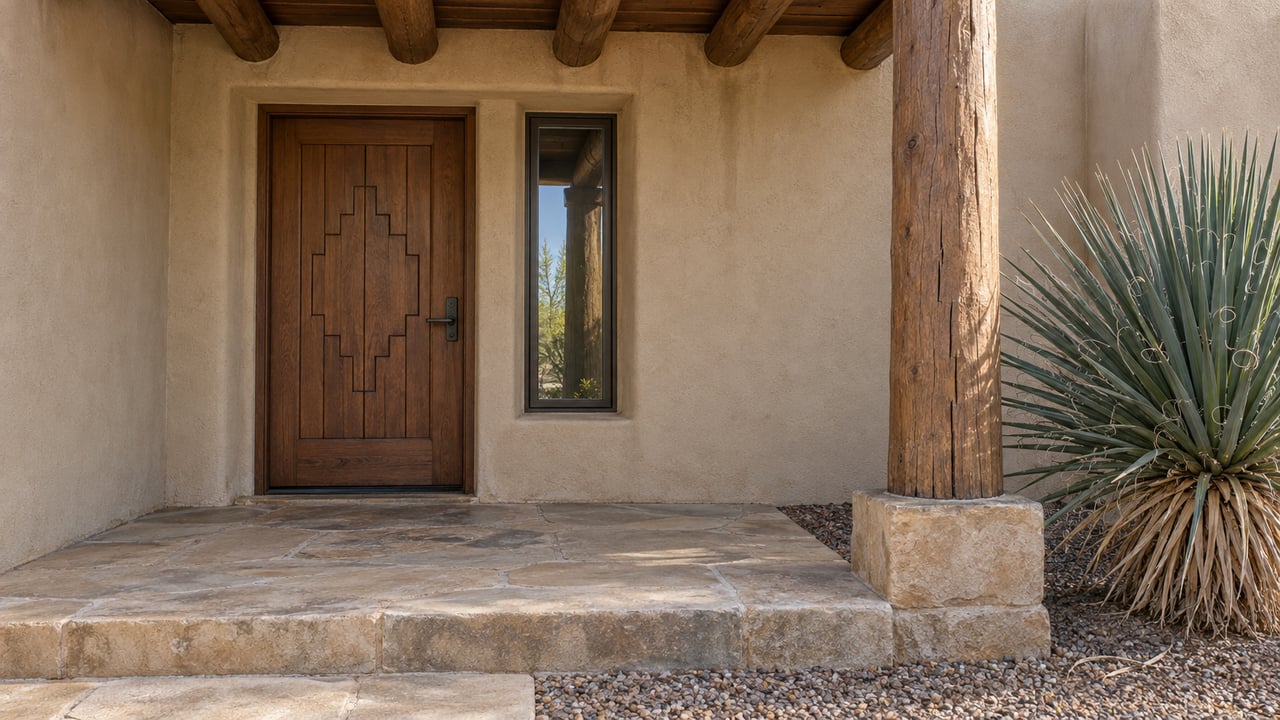
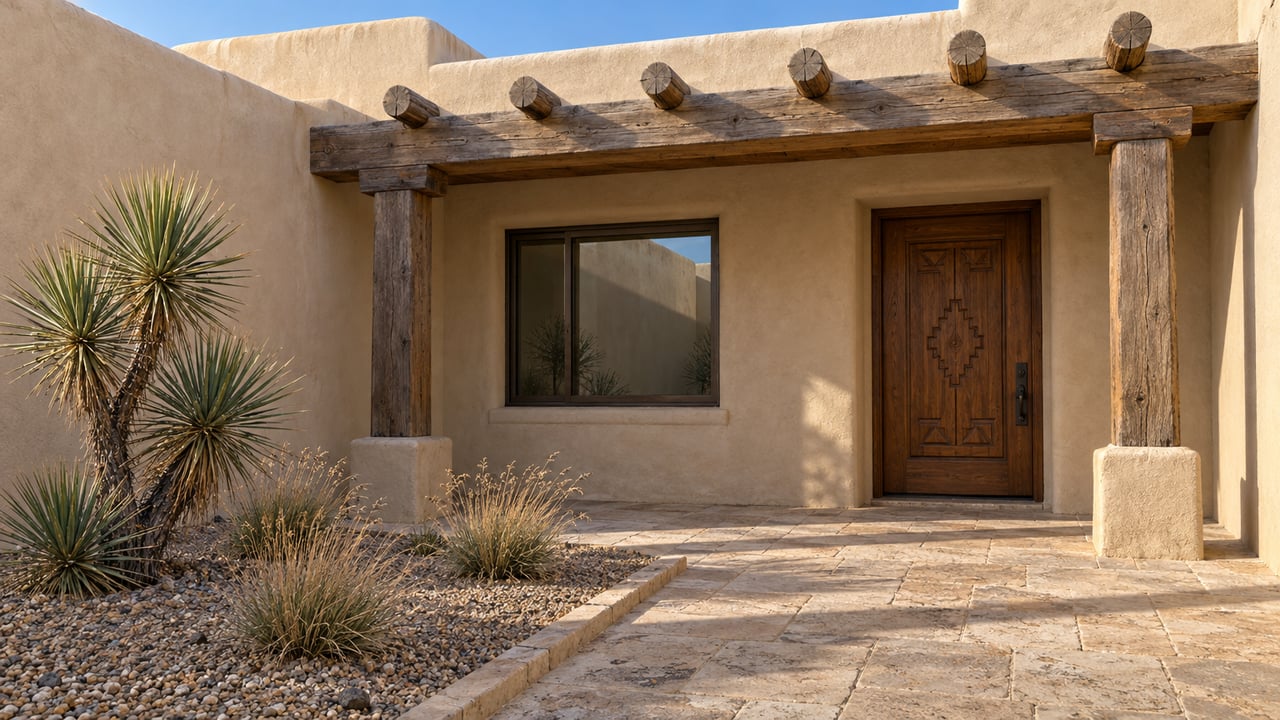
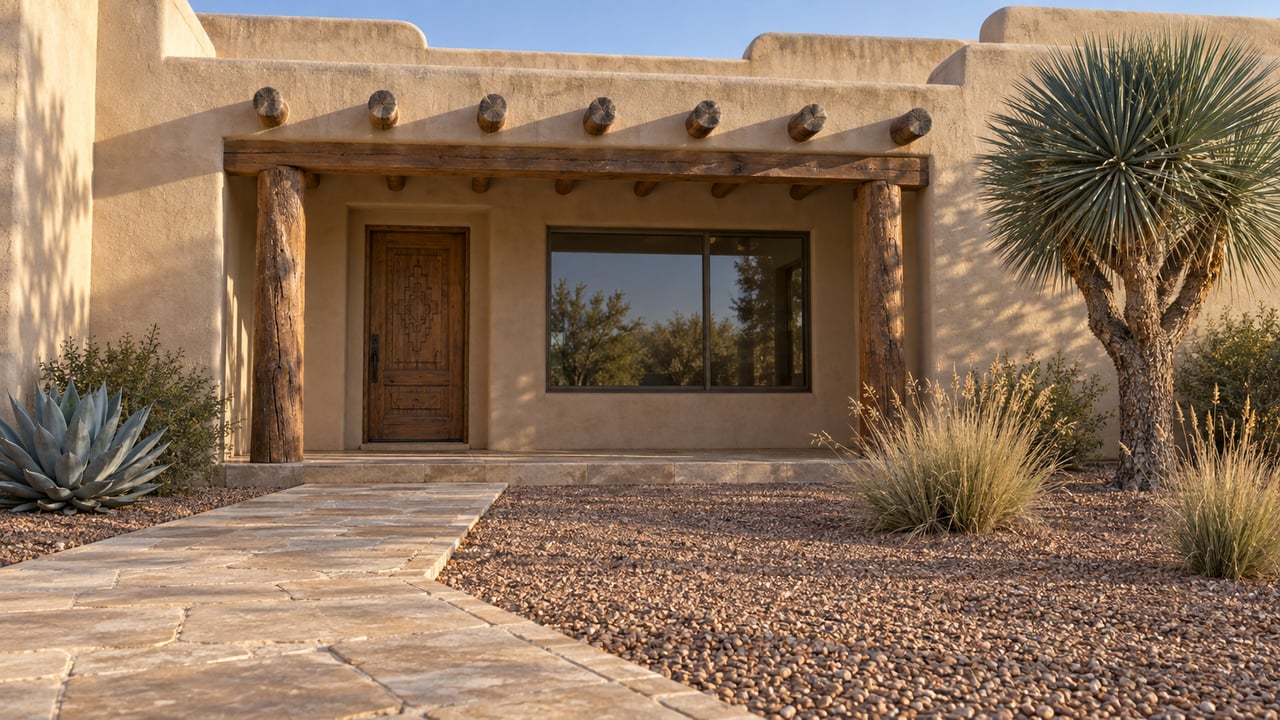
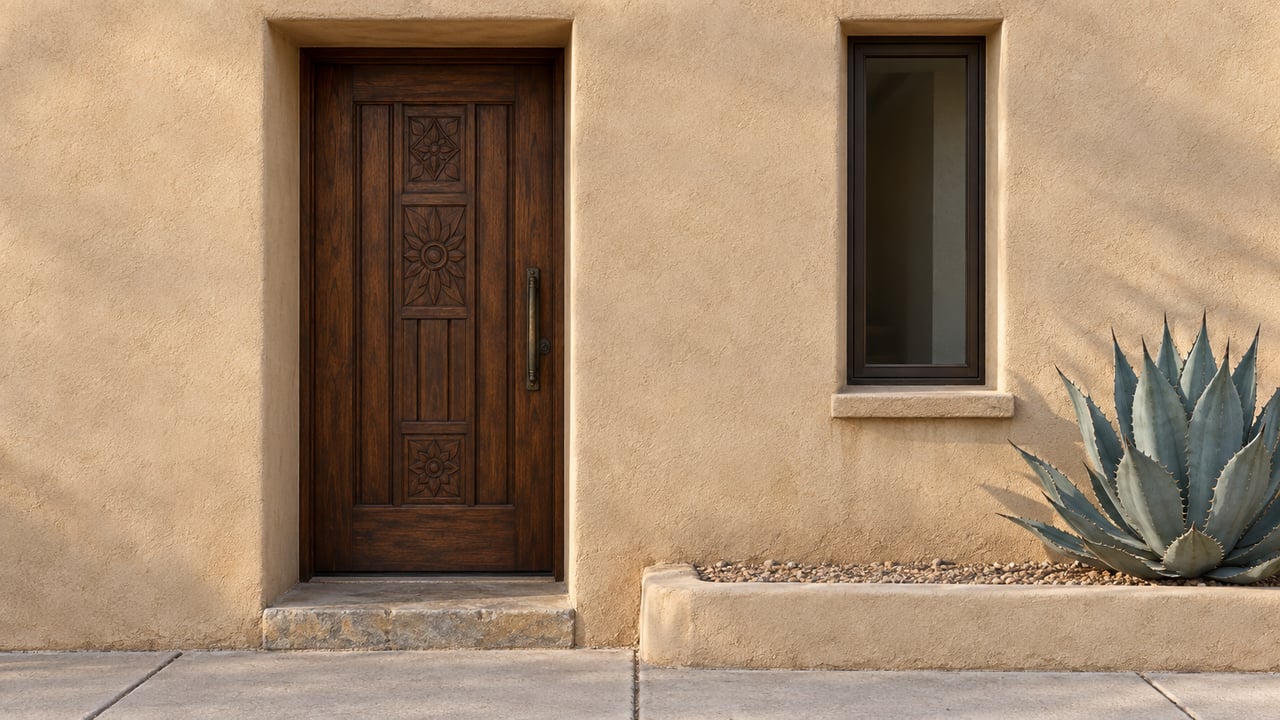
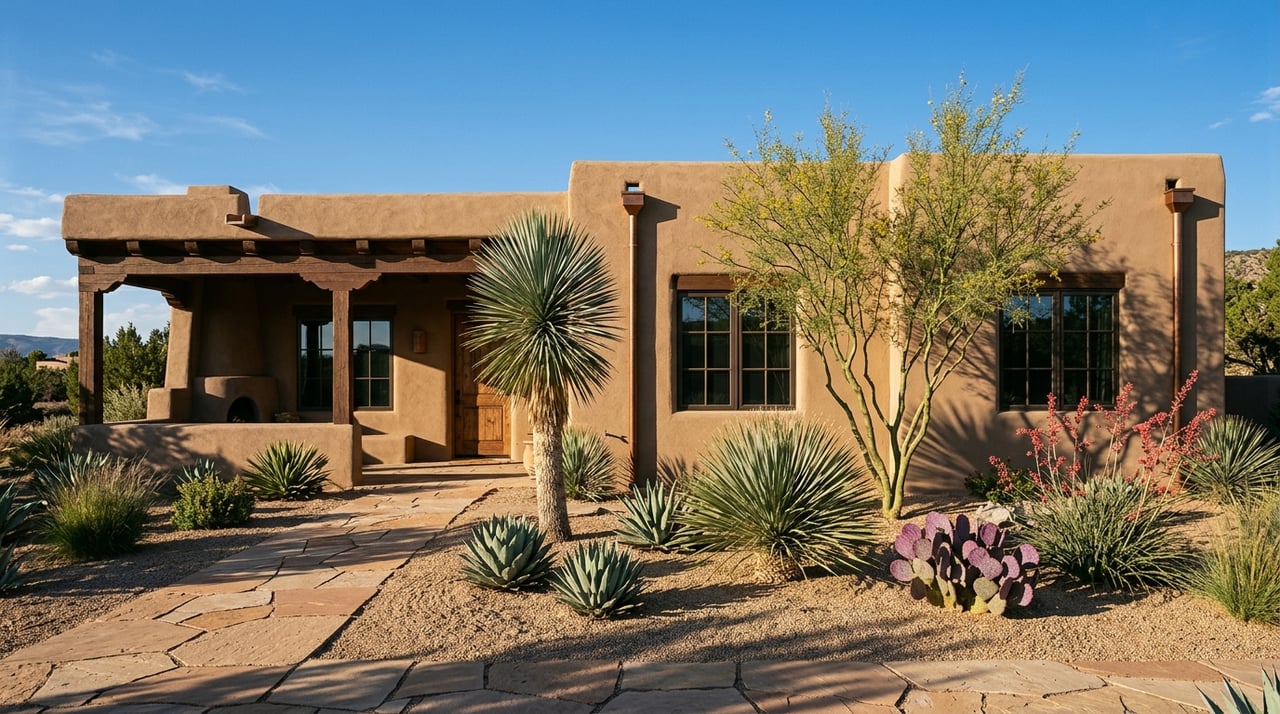
With only 8.84 inches of annual precipitation on average, Albuquerque is not a place where thirsty landscaping makes much sense for many homeowners. The City of Albuquerque advises residents to use xeriscape plants that thrive in dry climates, and the Albuquerque Bernalillo County Water Utility Authority also promotes xeriscaping as a strong fit for the local environment.
That does not mean every yard looks the same. It means homes that use lower-water plants, gravel beds, and efficient irrigation are often better aligned with local conditions.
Why xeriscape features appeal to buyers
For many buyers, water-smart landscaping can mean:
- Lower routine water demand
- Less upkeep than traditional lawns
- Better compatibility with Albuquerque’s dry climate
- Outdoor spaces that stay attractive year-round
If you are selling, these features may help your home feel practical and locally tuned rather than overly demanding.
Albuquerque microclimates are worth noting
Not every part of Albuquerque feels exactly the same. NOAA notes that the growing season ranges from around 170 days in the Rio Grande Valley to about 200 days in parts of northeast Albuquerque, reflecting differences in elevation and terrain.
For buyers, that is a useful reminder that microclimate can vary across the metro. One area may cool off faster at night, while another may have a slightly longer growing season or different outdoor conditions.
What buyers should ask about weather and homes
If you are buying in Albuquerque, weather should be part of your home search strategy. Beyond layout and price, it helps to ask practical questions about how the home performs through the year.
Useful questions include:
- What type of heating and cooling system does the home have?
- When was the system last updated or serviced?
- How is the yard designed for low-water conditions?
- How much usable shade does the property have?
- What seasonal maintenance does the current owner typically handle?
These questions can help you think beyond the first showing and toward real day-to-day ownership.
What sellers should keep in mind
If you are preparing to list your Albuquerque home, weather-aware presentation matters. Buyers often notice comfort features quickly, especially if they are relocating and trying to understand how homes function in the local climate.
A well-maintained cooling system, tidy xeriscaping, and inviting shaded outdoor space can help your property feel more livable and better matched to Albuquerque conditions. Even small details can reinforce that the home is ready for year-round ownership.
The big takeaway for Albuquerque homeowners
Albuquerque weather is one of the city’s defining lifestyle factors. You get a lot of sunshine, low humidity, modest annual precipitation, a true heating season, and a substantial cooling season.
For homeowners, that means planning for both winter warmth and summer comfort, choosing outdoor features that work in a dry climate, and understanding that local weather patterns can influence everything from utility costs to landscaping decisions. When you know what to expect, it becomes much easier to choose a home that fits your life well.
If you are buying, selling, relocating, or simply trying to understand how Albuquerque weather should shape your next move, April Rodas can help you make a confident plan with calm, local guidance.
FAQs
What is Albuquerque weather like for homeowners year-round?
- Albuquerque is sunny, dry, and high in elevation, with a mean annual temperature of 57.9°F, about 8.84 inches of annual precipitation, a real heating season, and a substantial summer cooling season.
How hot does Albuquerque get in summer for home cooling needs?
- NOAA normals show 64.4 days each year with highs at or above 90°F, and average summer highs from June through August range from 88.8°F to 91.2°F.
Does Albuquerque get enough winter cold to affect heating bills?
- Yes. Albuquerque has 3,996 heating degree days annually and about 92.8 nights per year with lows at or below freezing, so heating performance matters.
Is xeriscaping a smart choice for Albuquerque homes?
- Yes. With average annual precipitation of 8.84 inches and local guidance from the City of Albuquerque and the Albuquerque Bernalillo County Water Utility Authority, xeriscaping is well suited to local conditions.
Do all Albuquerque neighborhoods have the same climate conditions?
- No. NOAA notes that growing season length varies across the metro, from about 170 days in the Rio Grande Valley to about 200 days in parts of northeast Albuquerque, showing that microclimates exist within the area.