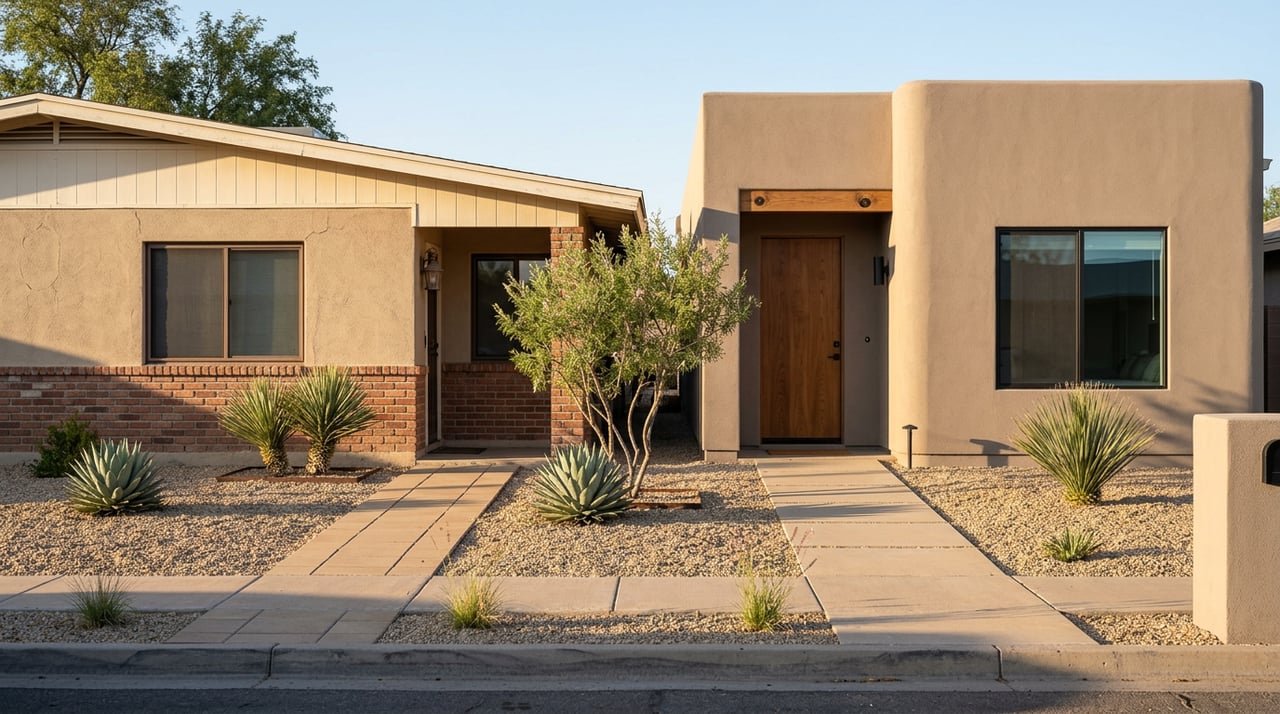
Torn between the charm of a classic Albuquerque adobe and the convenience of a brand-new build? You’re not alone. Choosing between older and newer homes here often comes down to tradeoffs in style, systems, maintenance and location. This guide walks you through what to expect in each option, where you’ll find them, and the inspections that protect your budget. Let’s dive in.
Where older and newer homes cluster
Albuquerque stacks up in layers. You’ll find many of the city’s oldest and most character-rich homes in central neighborhoods like Old Town and Huning Highlands, where historic overlays guide preservation and renovation choices. The city also supports owners in these districts with formal historic resources and guidance through its preservation program. You can explore the city’s Historic Preservation Program to understand overlays and approvals before you remodel.
On the other end of the spectrum, recent construction concentrates in master-planned communities at the city’s edges. Mesa del Sol is a leading example, with ongoing lot releases and modern builder plans that favor open layouts and energy-conscious systems. If you want turnkey systems and lower initial maintenance, these newer developments are usually where you’ll look.
- Older/character hubs: central areas such as Old Town and Huning Highlands tend to feature early 20th-century and territorial-influenced homes. The city’s Historic Preservation Program offers guidance for owners.
- Newer/master-planned: Mesa del Sol showcases today’s new builds and amenities, as reported by the Albuquerque Journal and the community’s own vision overview.
Older homes: style, layout and systems
Style cues you’ll notice
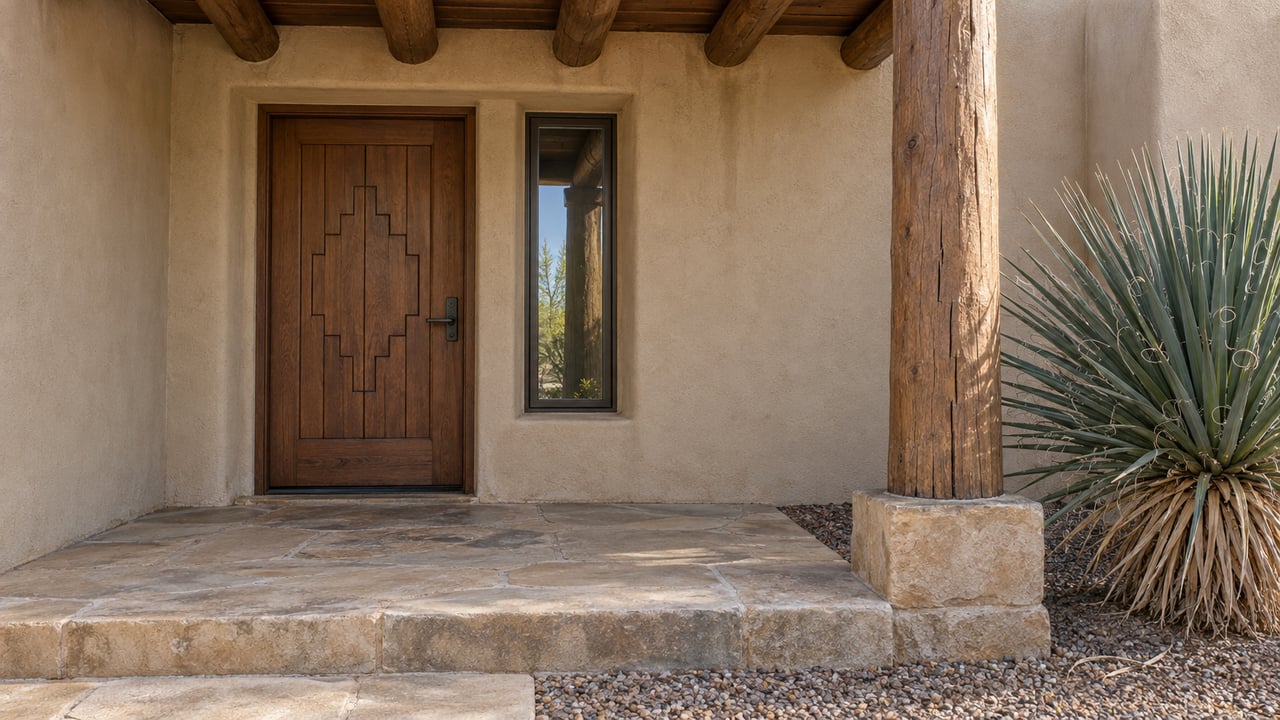
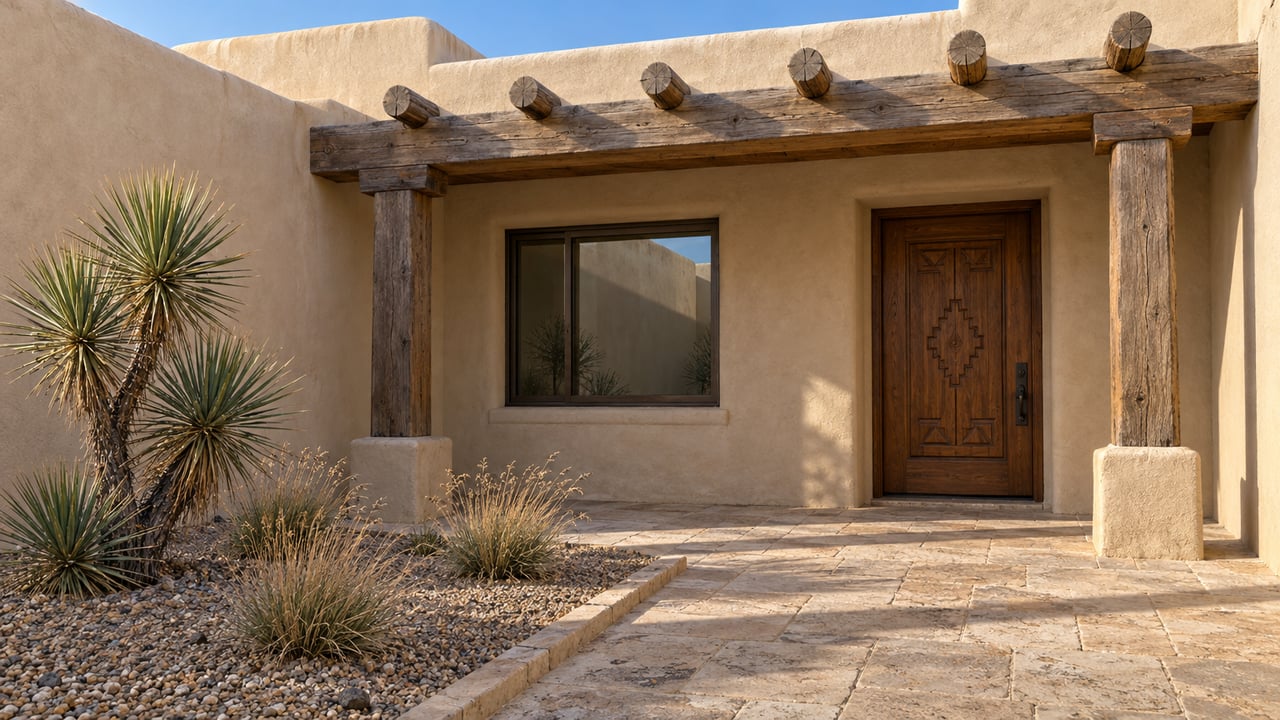
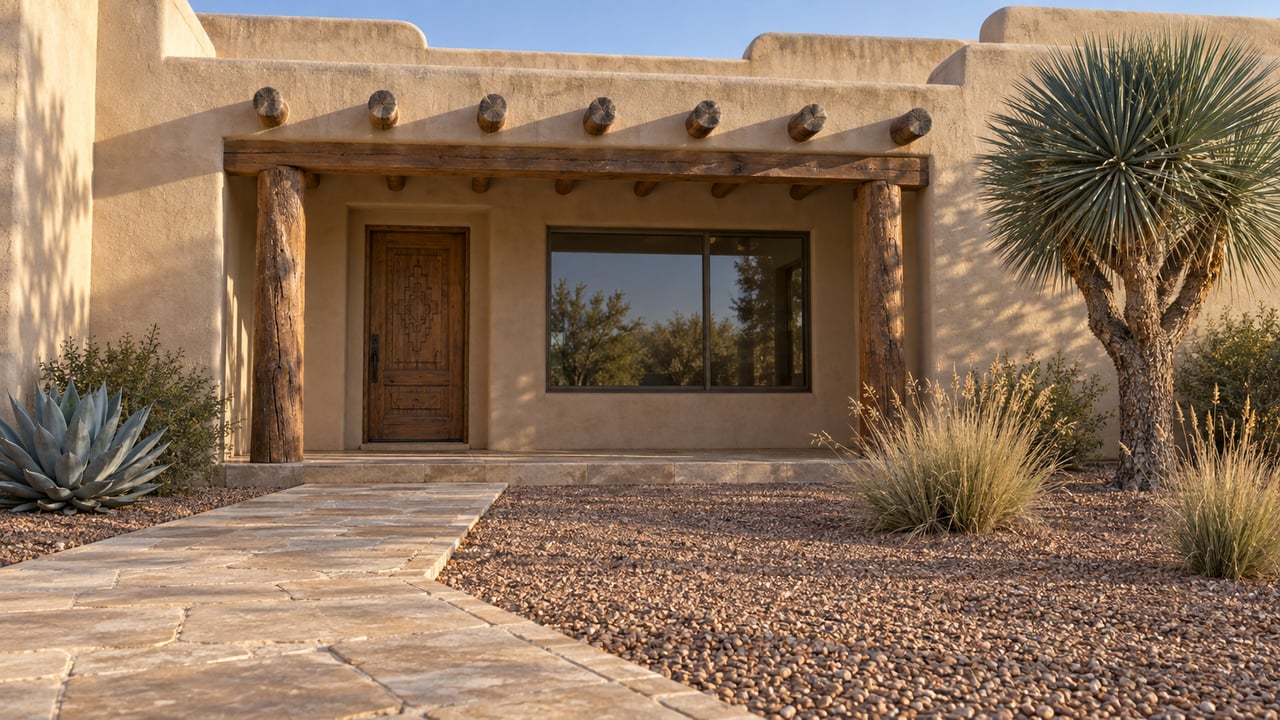
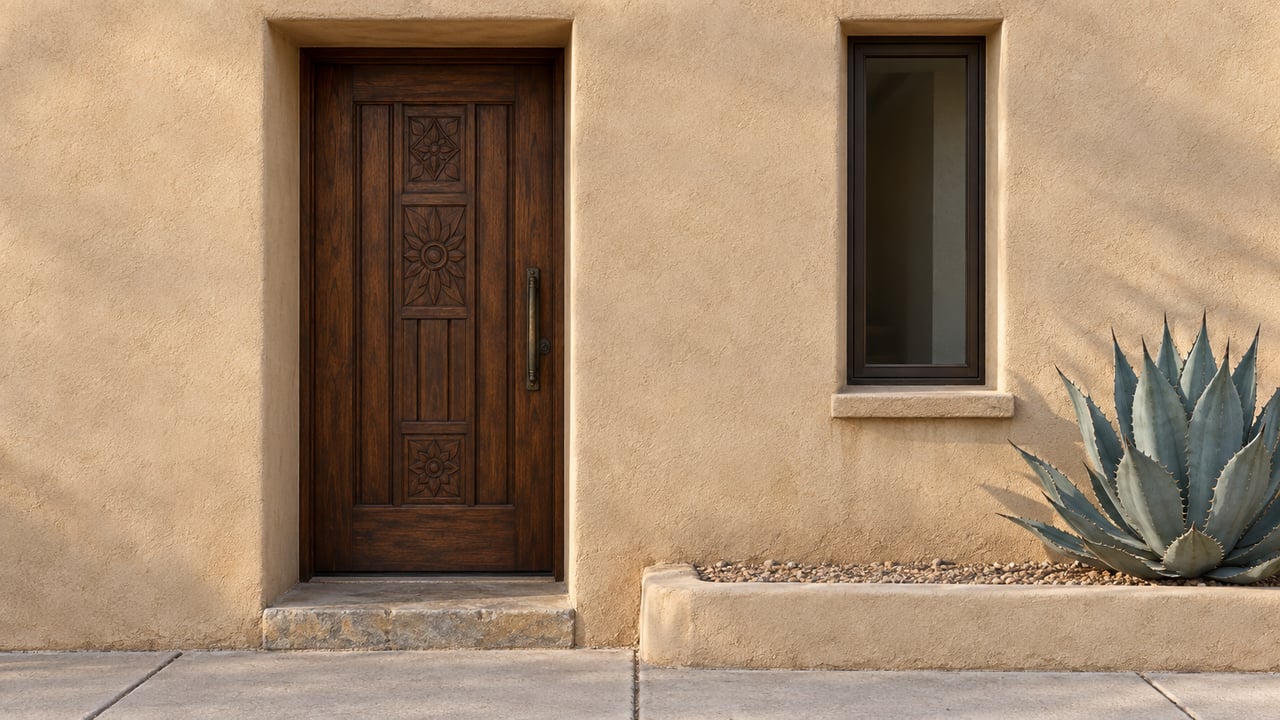
Older Albuquerque homes often reflect Pueblo and Territorial Revival influences: thick stucco or adobe-like walls, flat or low-slope parapet roofs, deep-set windows, vigas and kiva fireplaces. In some central districts, you’ll also see early Craftsman bungalows and a few Victorian-era forms. These styles grew from regional materials and climate, and they’re part of what makes the city’s historic core so appealing. For a deeper look at local design, UNM’s guide to John Gaw Meem outlines the region’s architectural vocabulary.
Floor plans and living flow
Expect more compartmentalized rooms, cozy or formal kitchens, and fewer walk-in closets in many pre-1970s houses. Primary suites may be smaller, and garages can be detached or converted. These layouts can feel intimate and charming, and many owners tweak them over time with sensitive updates. When you plan changes, check for any historic-overlay requirements before opening walls or altering facades.
What’s behind the walls
Older homes were built under earlier codes, so insulation levels, window performance and electrical capacity can differ from what you’ll find in new construction. You may see older wiring or undersized electrical panels that need upgrades during renovations. Plumbing supply or drain lines vary by era and may warrant inspection or replacement when you update baths and kitchens. None of this is unusual, but it is important to budget and inspect.
Exterior materials and roofs
Many historic homes use stucco over adobe or masonry, which calls for periodic patching and careful moisture management. Flat and parapet roofs require attention to membranes and flashing details. Before you tackle exterior work, the city’s Historic Preservation Program is a helpful resource for appropriate methods and approvals.
Newer homes: features and conveniences
Floor plans and everyday living
Newer homes in Albuquerque typically favor open-concept layouts that merge kitchen, living and dining. You’ll often get larger primary suites with walk-in closets, en-suite baths and attached two-car garages. Natural light and modern window systems tend to be better, and laundry is often on the main level or near bedrooms. Communities like Mesa del Sol illustrate these trends with builder warranties and modern utility hookups.
Systems and efficiency
Today’s new builds commonly include central refrigerant-based air conditioning or heat pumps and higher insulation values. Wiring, plumbing and HVAC are integrated with modern codes and often need less near-term attention. In the Southwest, slab-on-grade foundations are common, which affects storage and finished-basement options but simplifies many maintenance tasks.
Albuquerque climate: what it means for homes
Albuquerque’s high-desert climate combines dry air, big day-night temperature swings, and a summer monsoon season with short, intense storms. These patterns are kind to some materials but tough on roofing, stucco and exterior finishes during downpours. For local weather context, the National Weather Service’s Albuquerque page offers seasonal detail. Plan roof and stucco checks around monsoon timing and after severe weather.
Cooling: evaporative vs refrigerant
Evaporative coolers, or swamp coolers, have long been popular in Albuquerque’s dry climate and can use less electricity than central AC. They do require seasonal maintenance: monthly checks during heavy use, draining and cleaning at the end of the season, and pad replacement. They also add humidity indoors and work best when a few windows are cracked. Newer homes more often use central AC or heat-pump systems, which trade higher electricity use for steadier cooling and less day-to-day upkeep. The U.S. Department of Energy explains how evaporative coolers work and how to care for them.
Heating, foundations and storage
Many production homes sit on slab foundations, which is typical in warm, dry regions. That means no basement storage, so plan for garage or shed solutions. If you are considering future solar or EV charging, newer electrical panels and pre-wiring can be a plus in master-planned builds.
Health and safety in older properties
Lead-based paint in pre-1978 homes
If a home was built before 1978, assume there could be lead-based paint. Testing is straightforward, and if you plan to renovate, the EPA’s Renovation, Repair and Painting Program outlines the lead-safe work practices contractors must follow. Review the EPA’s lead RRP guidance for consumers before you start any project that disturbs paint.
Asbestos in mid-century materials
Some older homes contain asbestos in insulation, textured ceilings, floor tiles or roofing materials. It is mainly hazardous when disturbed, so plan sampling before renovations and use professional abatement if needed. The EPA’s regional FAQ explains common sources and why you should avoid DIY removal. Learn more from the EPA’s asbestos FAQ.
Radon testing across Bernalillo County
Parts of Bernalillo County show higher radon potential, so testing is recommended in homes of any age. Short-term kits are inexpensive and can be part of your inspection period. Where levels are elevated, passive or active sub-slab systems are a routine fix. See a county-level overview of New Mexico radon zones to understand local potential.
Your inspection and due-diligence checklist
Use this list to compare older and newer homes and to set smart contingencies:
- Full home inspection covering structure, roof, electrical, plumbing and HVAC.
- Roofing assessment and documentation of age or recent replacement.
- HVAC service check for performance and refrigerant type; get remaining-life estimates.
- Sewer scope, especially for older neighborhoods or properties near the North Valley where septic is possible.
- Termite and wood-destroying insect inspection.
- Lead paint testing and lead-safe planning for pre-1978 homes, per EPA RRP rules.
- Asbestos sampling before renovating likely materials; follow EPA guidance.
- Radon testing with a pre-closing contingency if needed, based on Bernalillo County potential.
- Optional energy audit for long-term utility cost planning.
Prioritize life-safety items first when you negotiate repairs or credits. Cosmetic updates can wait or be handled as closing credits.
Decision guide: older vs newer in Albuquerque
Use these five lenses to make your choice with confidence:
- Time horizon
- If you plan to stay 1 to 3 years, a newer home can reduce short-term maintenance surprises. If you plan to stay 10 years or more, a character home with targeted upgrades can pay off.
- Renovation tolerance
- Enjoy managing projects and hiring trades, or prefer move-in-ready? Older homes reward patience and planning. Newer homes often minimize early projects.
- Budget shape
- Some older homes offer lower entry prices but may require focused capital for systems and roofs. Newer homes can carry higher purchase prices and HOA fees but fewer near-term fixes.
- Location and daily rhythm
- Central historic areas can offer proximity to dining, culture and major corridors. Newer subdivisions tend to prioritize car access, planned parks and consistent utility infrastructure.
- Health and risk tolerance
- If small children or sensitive occupants are in the home, prioritize pre-1978 testing for lead and plan asbestos sampling before projects. These are common, manageable steps with the right pros.
Quick rule of thumb: If you value architectural character and will budget for inspections and targeted upgrades, older homes deliver unique Albuquerque style. If low-maintenance living and modern systems top your list, newer homes in master-planned communities are built for that. Either path benefits from careful due diligence.
Neighborhood snapshots to start your search
- Central character neighborhoods: Old Town, Barelas, Huning Highlands and Martineztown/Santa Barbara include many early 20th-century homes with Pueblo and Territorial Revival details. Some streets fall under historic overlays, so check the city’s Historic Preservation Program before planning exterior changes.
- Newer and master-planned areas: Mesa del Sol on the south mesa is a standout for recent construction, modern floor plans and community design, highlighted on its vision page and in local reporting. You’ll also see newer phases along the West Mesa and other edge-area subdivisions.
When you are ready to tour, bring this checklist and ask direct questions about roof age, cooling type and any historic-overlay requirements. A clear picture of systems, maintenance and approvals helps you compare apples to apples.
Ready to weigh character against convenience with a steady, local guide at your side? Schedule a conversation with April Rodas to map neighborhoods, line up inspections and make a confident choice that fits your budget and timeline.
FAQs
What are the biggest pros and cons of older Albuquerque homes?
- Pros include architectural character and central locations; cons can include compartmentalized layouts, older systems and added due diligence for lead, asbestos and roof or stucco maintenance.
How do newer Albuquerque homes differ in daily living?
- Newer homes often deliver open layouts, larger primary suites, attached garages and modern HVAC with fewer near-term projects, commonly found in master-planned areas like Mesa del Sol.
How do evaporative coolers compare to central AC in Albuquerque’s climate?
- Evaporative coolers can use less electricity but need seasonal maintenance and open windows, while central AC and heat pumps offer steadier cooling with less day-to-day upkeep.
Which inspections should I never skip when buying in Albuquerque?
- Always get a full home inspection, roof evaluation, HVAC check, termite inspection, and consider sewer scoping, radon testing, and lead or asbestos testing for older homes.
Where is most new construction happening around Albuquerque?
- Recent building activity concentrates in master-planned communities at the edges, with Mesa del Sol as a leading example and additional phases on the West Mesa and other edge areas.