Trying to decide between Albuquerque’s east side and west side? You’re not alone. Each side of the Rio Grande offers a different daily rhythm, scenery, and set of conveniences. Choosing the right fit can shorten your commute, improve your weekend plans, and help your budget go further. This guide walks you through the practical differences so you can narrow your search with confidence. Let’s dive in.
East vs. west: How Albuquerque is split
Albuquerque’s geography does a lot of the deciding for you. The Rio Grande runs north to south through the city and works as a natural divider. The Sandia Mountains rise on the east, shaping foothill neighborhoods and mountain access. The West Mesa sits to the west, including volcanic landscapes and the Petroglyph area. Many west side neighborhoods also blend toward Rio Rancho.
When you hear “east side,” think neighborhoods east of the Rio Grande up to the Sandia foothills. “West side” refers to areas west of the river across the Mesa, with many newer subdivisions and planned communities.
Scenery and outdoor access
East side: Mountains and foothills
If you love mountain energy, the east side puts you close to the Sandias. Many neighborhoods have direct mountain views and quick access to foothill trailheads. You’ll find winding hillside roads, higher elevation recreation, and access to Cibola National Forest at the top.
You’re also closer to the Sandia Peak Tramway and the ski area. East Mountain areas like Tijeras and Cedar Crest offer more rural living outside city limits, but commute times into the city can be longer and utilities differ.
West side: Mesas and petroglyphs
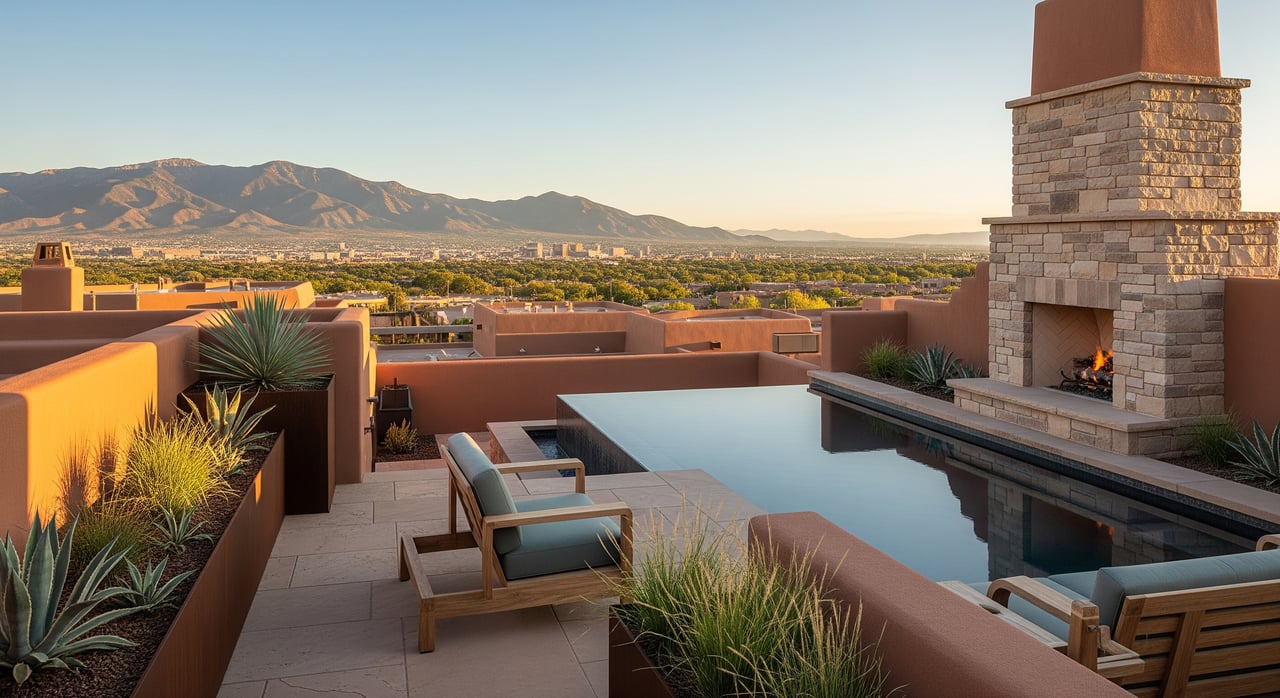
The west side offers wide, open mesa views, big skies, and stunning sunsets. You’re near volcanic formations and the Petroglyph National Monument. Trails and open desert terrain are common, and many areas provide access to Bosque and river paths.
Outdoor takeaway
- If mountain views and foothill trailheads matter, the east side is a strong match.
- If you prefer open desert, flatter biking routes, and sunset views over the valley, the west side stands out.
Commutes and transportation
Two interstates shape daily travel: I‑25 runs north to south and I‑40 runs east to west. On the west side, Coors and Unser handle a lot of north–south traffic. Paseo del Norte is a key east–west connector that many commuters use.
Your job location matters most. If you work at Sandia National Laboratories, Kirtland Air Force Base, or the University of New Mexico, east or central neighborhoods can reduce your drive. If you work at Intel or in Rio Rancho, living on the west side or near Rio Rancho can shorten cross‑city trips.
Albuquerque’s bus network serves both sides, but the most frequent service runs on central corridors. Many outlying neighborhoods rely more on driving. The New Mexico Rail Runner connects the metro north–south for regional commutes, but it is not a typical east–west solution within the city.
Rush‑hour congestion tends to build on I‑25, I‑40, and major connectors. Travel times vary widely by direction and time of day.
Commute takeaway
- Match your side to your commute: Sandia, Kirtland, and UNM often favor east or central; Intel and Rio Rancho employers often favor west.
- Expect to use a car for many daily trips, especially in newer subdivisions.
Amenities, shopping, and nightlife
East side: Historic corridors and culture
The east side includes older commercial areas with a local vibe. Near the University and along Central Ave, you’ll find restaurants, small shops, and nightlife in walkable pockets. Medical centers and some city services cluster in central and east areas. Downtown and cultural venues are accessible from many east neighborhoods.
West side: Newer retail and convenience
The west side has larger retail centers, newer plazas, and family‑oriented shopping along corridors like Coors and Paseo del Norte, as well as nearby Rio Rancho. Many day‑to‑day needs are a short drive away. Walkable historic streets are less common in newer subdivisions, but parking is usually easy and options are plentiful.
Amenities takeaway
- Prefer a small‑business, Route‑66 corridor feel and walkable pockets? East and central areas deliver that vibe.
- Want newer shopping centers, easy parking, and big‑box convenience? The west side is a fit.
Housing styles and development era
East side: Character and variety
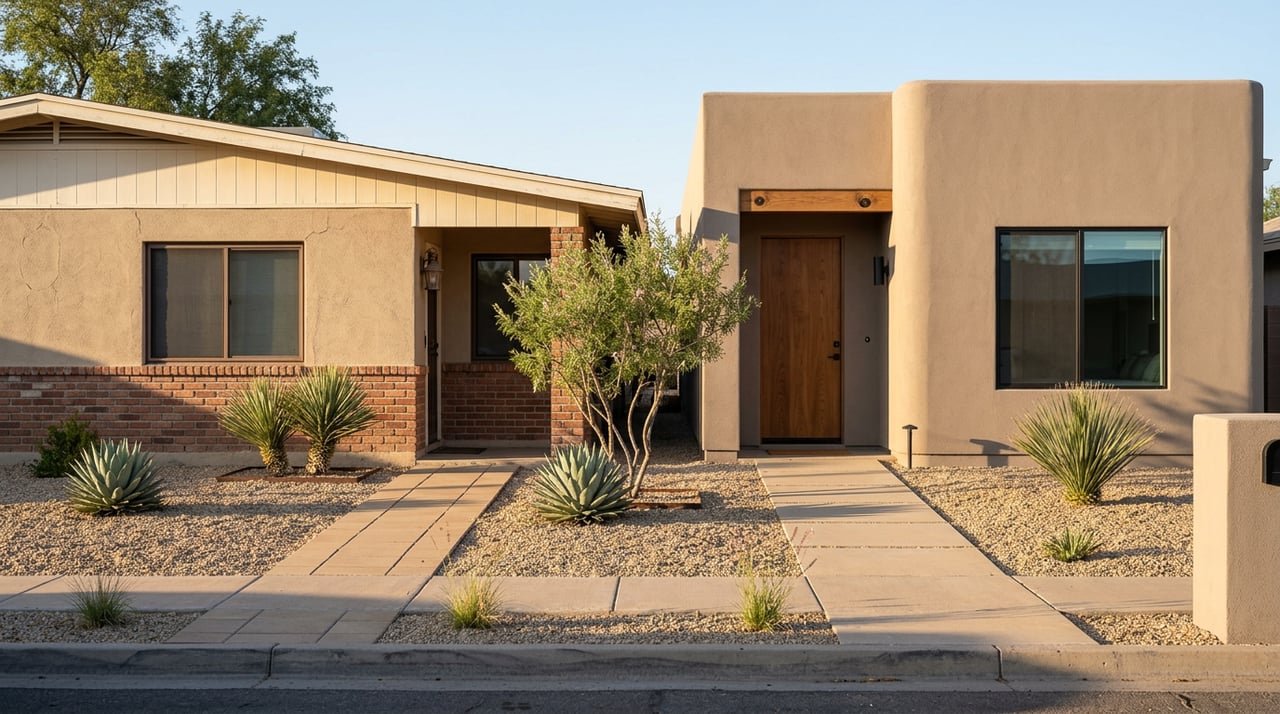
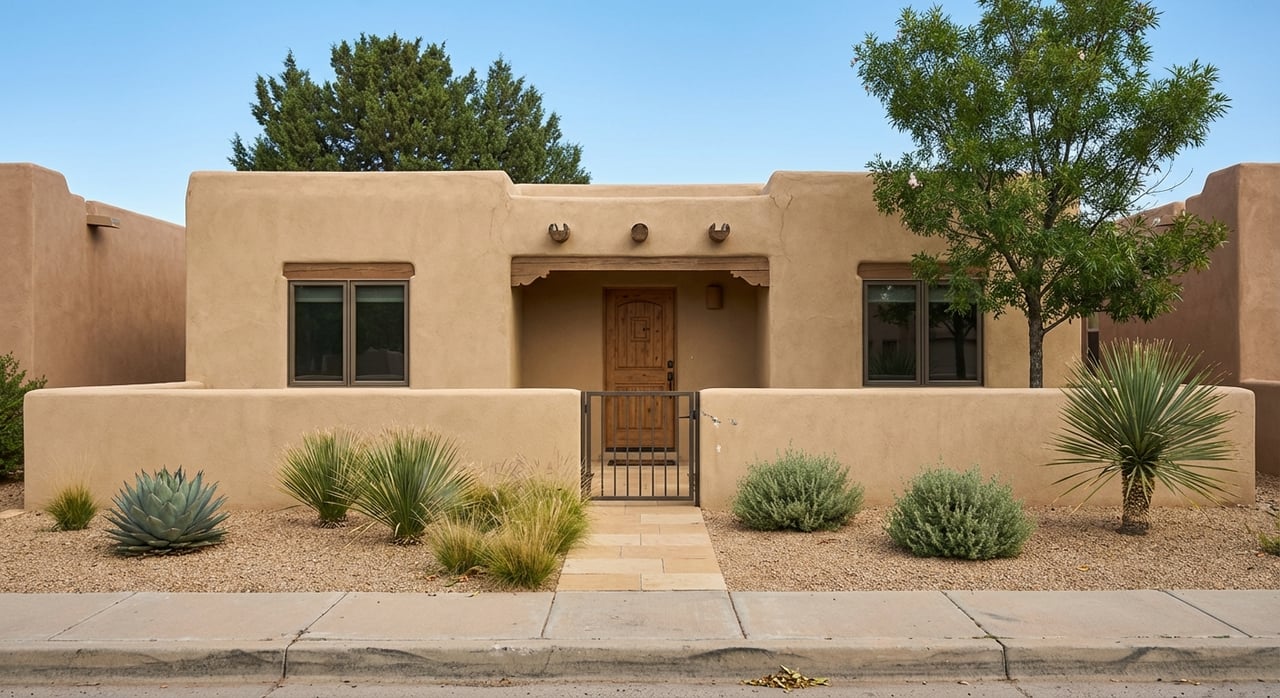
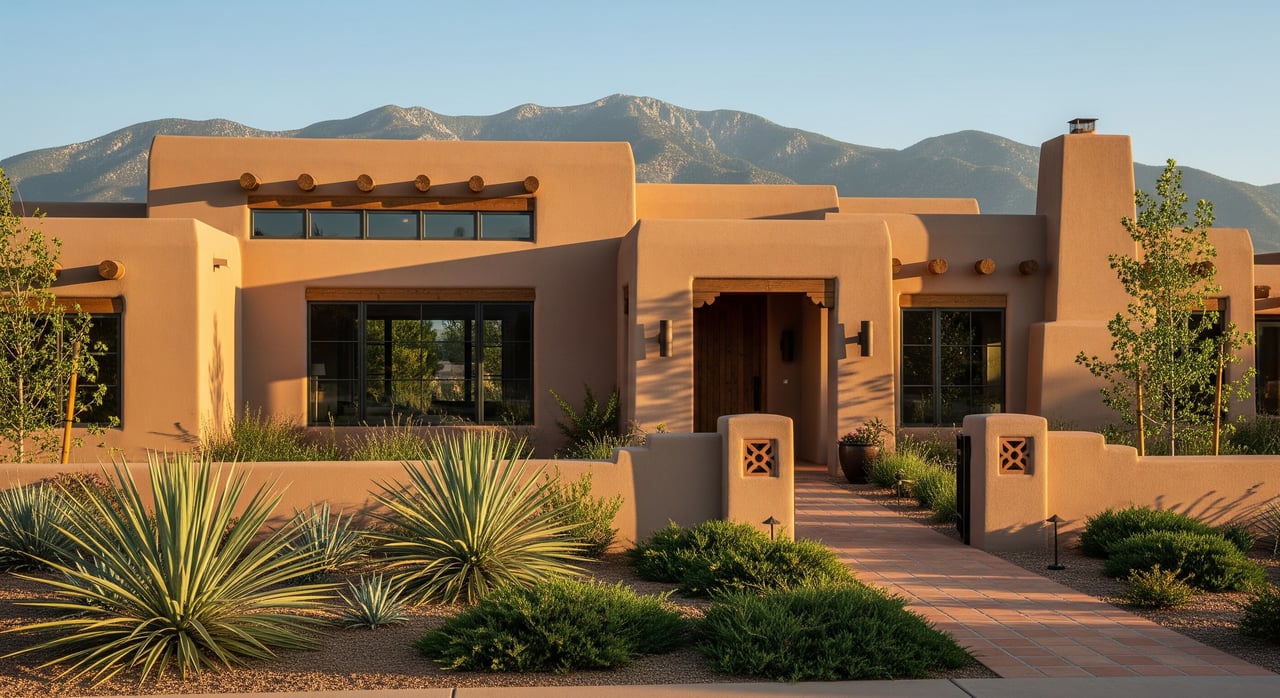
Expect a mix of mid‑century ranches, bungalows, and homes with adobe, Pueblo‑Revival, or Territorial influences. In the foothills, you’ll see custom homes, irregular lots, and mature landscaping. Infill options and renovations are common in established neighborhoods.
West side: Newer builds and planned communities
Many west side neighborhoods feature 1990s‑present construction. You’ll find stucco exteriors, tile roofs, and modern floor plans, often in HOA communities. New construction and townhome options are active in several areas.
Housing takeaway
- If you value architectural character and established districts, the east side may resonate.
- If you want newer builds, larger interiors for the price, and planned community amenities, the west side offers range and value.
Schools, services, and utilities
Most of the city falls under Albuquerque Public Schools. Parts of the west metro are served by Rio Rancho Public Schools, depending on boundaries. School performance varies by address, so verify current assignment zones and available programs for any home you consider.
Newer subdivisions on the west side more often include HOA oversight. Foothill or East Mountain properties outside city limits may rely on wells, septic, or special districts. Always confirm utility providers, service boundaries, and any HOA fees or rules before you make an offer.
Risk profiles differ by area. Properties near the mountain and foothill interface can face higher wildfire risk. Low‑lying areas can have flood or arroyo considerations. Review hazard maps and insurance guidance during due diligence.
Schools and services takeaway
- Verify school assignment for the exact address and explore options.
- Confirm utilities and HOA obligations, especially for foothill or out‑of‑city properties.
- Ask about wildfire and flood considerations early in your search.
Budget, resale, and market patterns
In many markets, foothill homes and established neighborhoods with mountain views can command a premium. On the west side, it is common to find larger square footage or more recent construction at a given price point.
Resale demand can be influenced by proximity to jobs, school boundaries, and local hazard profiles. Personal preferences play a role too. Some buyers prioritize character and location, while others value new‑build convenience and interior size.
Budget takeaway
- Stretching for space? The west side often offers more square footage for the budget.
- Prioritizing views or character? You may pay more on the east side or accept a smaller lot.
Which side fits you? A quick framework
Use this simple approach to narrow your search quickly.
- Map your commute
- List your primary work or school destinations. Check typical rush‑hour drive times in both directions.
- If you split time between multiple sites, test more than one scenario.
- Rank your lifestyle priorities
- Do you want foothill trailheads or desert mesa paths? A walkable Route‑66 vibe or big‑box convenience?
- Do you prefer older character homes or newer floor plans and HOAs?
- Confirm the essentials for each address
- School assignment and program options.
- Utilities, HOA fees, and any special maintenance obligations.
- Wildfire and flood considerations, plus insurance implications.
Buyer checklist for touring
- Confirm whether the property is inside Albuquerque city limits.
- Map commute times for your real schedule, including both directions.
- Check school assignment for the exact address and review available options.
- Verify utilities for water, sewer, gas, trash, and internet. Confirm HOA fees and rules.
- Ask about wildfire and flood insurance needs and review hazard maps.
- Visit the neighborhood morning and evening to gauge traffic, views, and noise.
- Note nearby amenities such as grocery, medical care, childcare, parks, and drive times.
Final thoughts
Choosing between east and west Albuquerque is about tradeoffs that matter to you. The east side leans toward mountain views, established neighborhoods, and cultural corridors. The west side favors newer construction, open mesa scenery, and convenient retail. When you match your commute, lifestyle, and budget, the right choice gets clear.
If you want a calm, step‑by‑step process to compare specific neighborhoods and homes, connect with a local advisor who knows both sides of the river and can guide you through utilities, schools, and due diligence. For personal guidance tailored to your move, reach out to April Rodas to schedule your free consultation.
FAQs
Which side has better mountain views in Albuquerque?
- The east side offers direct Sandia Mountain views, while the west side provides expansive mesa and sunset views over the valley.
How do commutes differ between the east and west sides?
- East or central locations often shorten trips to Sandia, Kirtland AFB, and UNM. West side or Rio Rancho locations often shorten trips to Intel and Rio Rancho employers.
Are schools different on the east and west sides of Albuquerque?
- Most of the city is in Albuquerque Public Schools, while parts of the west metro are in Rio Rancho Public Schools. Always verify school boundaries by exact address.
Is the west side generally more affordable than the east side?
- Many buyers find larger square footage or newer construction for the budget on the west side, while foothill and view properties on the east can command premiums.
What should I know about utilities and HOAs near the foothills or West Mesa?
- Newer west subdivisions often have HOAs. Foothill or East Mountain properties outside city limits may use wells and septic. Confirm all utilities and any HOA rules for each address.