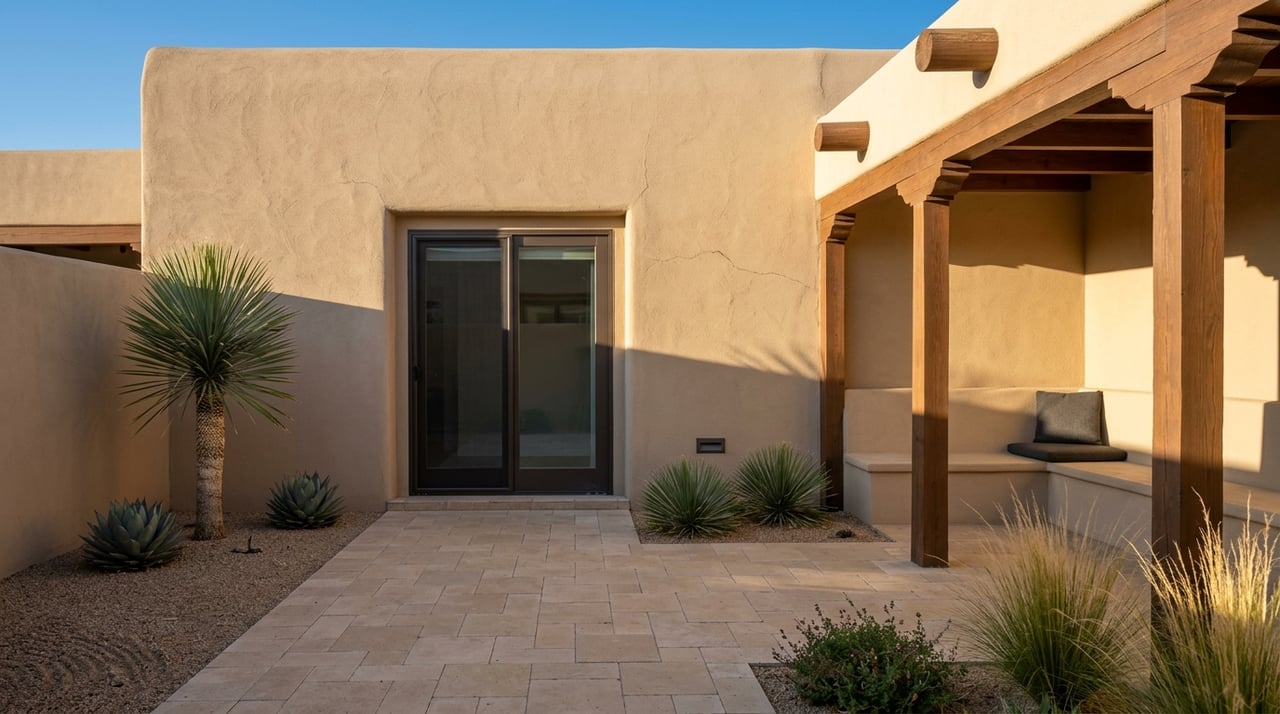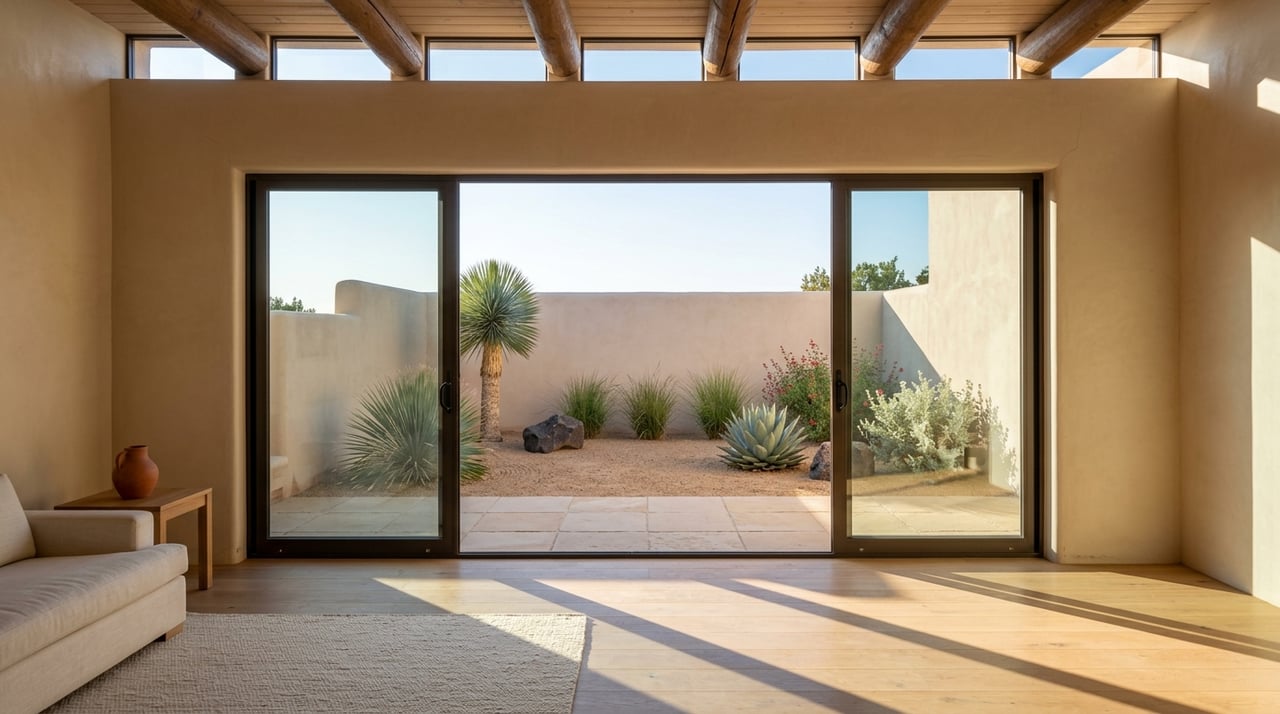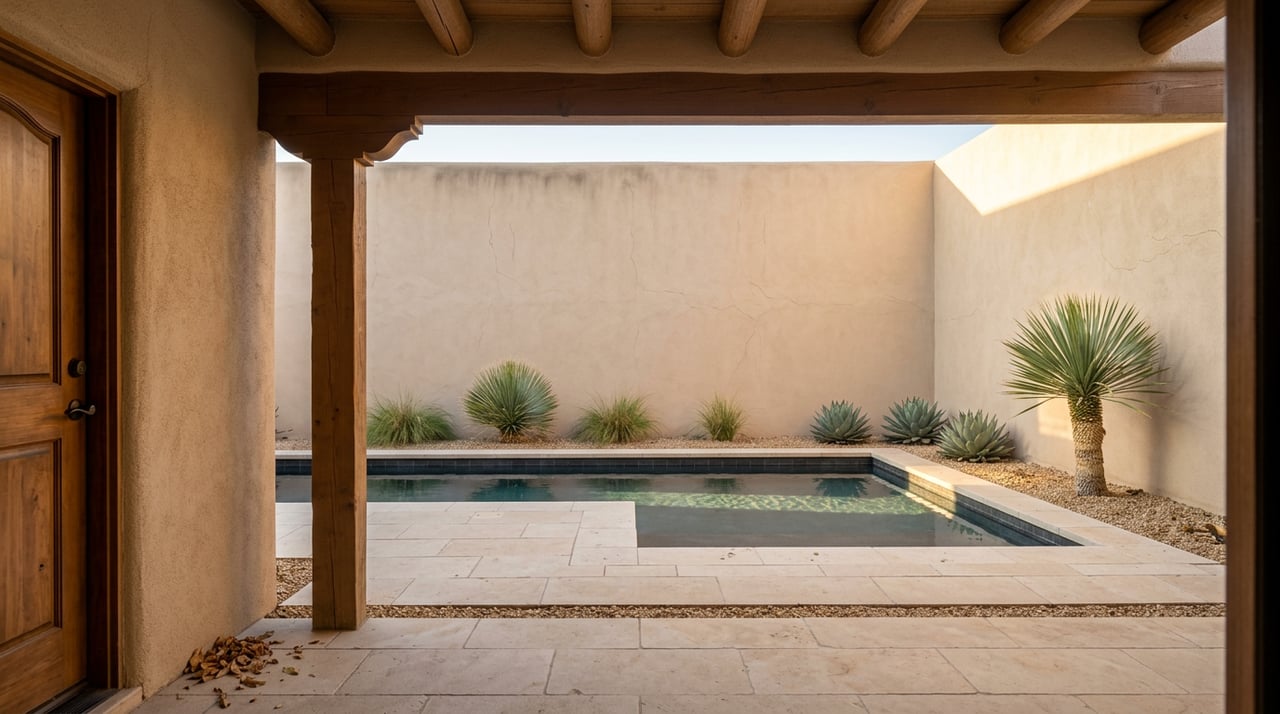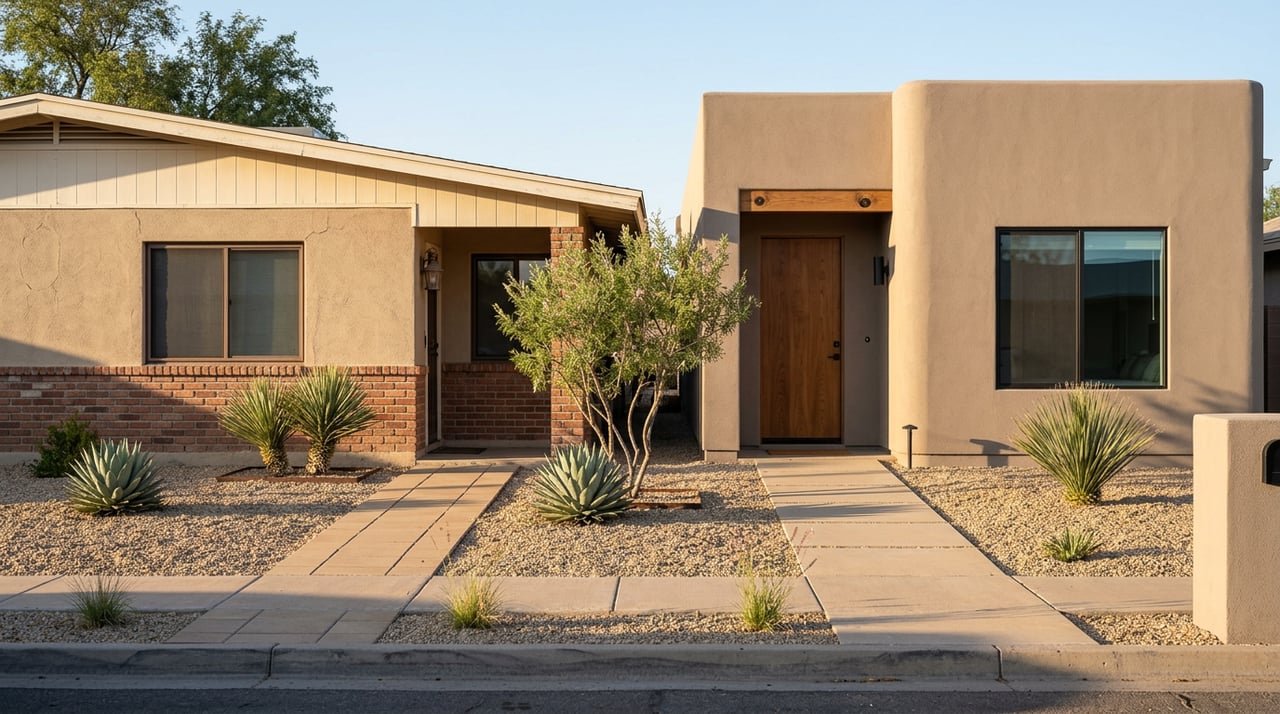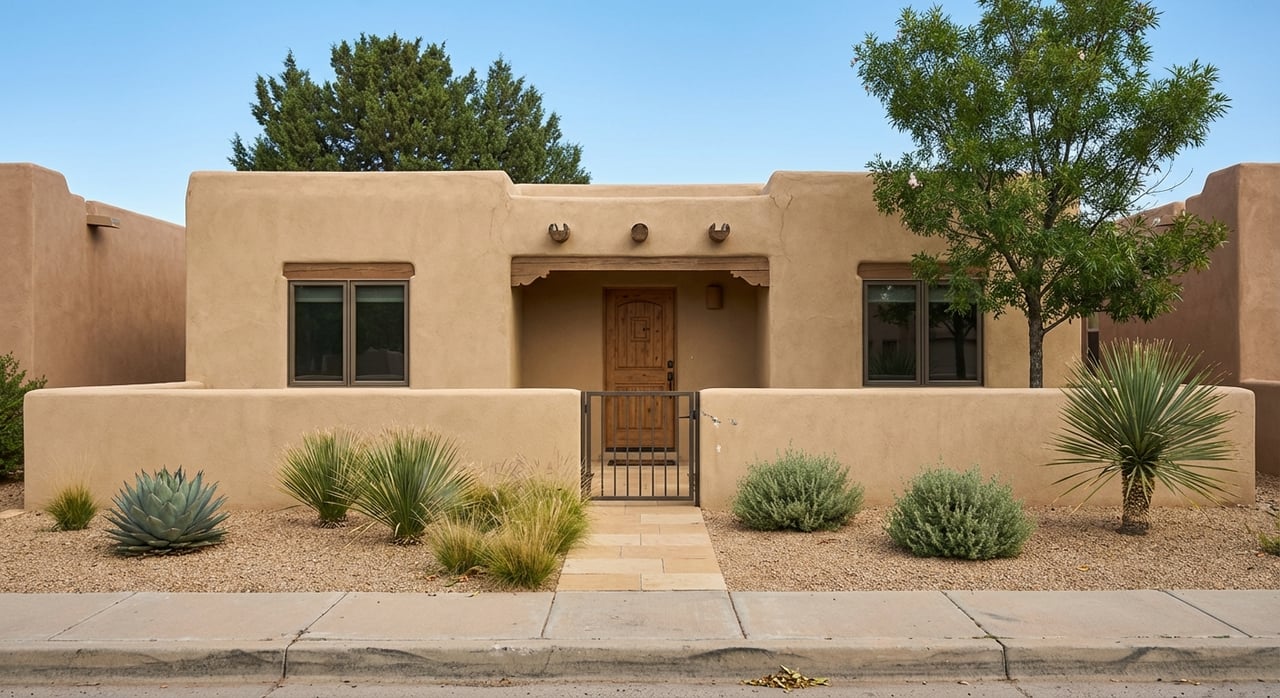
Shopping for your first home in Albuquerque can feel like picking a lifestyle as much as picking a house. Do you want cafes and errands on foot, quiet streets and garages, morning trailheads, or room for gardens and horses? You have real choices here, and each comes with tradeoffs that affect cost, commute, maintenance, and daily life. In this guide, you’ll learn how four starter‑home lifestyles stack up, what to check during due diligence, and where local rules and programs can help. Let’s dive in.
Albuquerque at a glance
Albuquerque anchors central New Mexico with about 560,000 residents, according to recent regional estimates from the Mid‑Region Council of Governments. You will feel that mix of big‑city amenities and neighborhood variety as you house hunt. Local population estimates help explain why options range from compact bungalows to acreage.
For price context, citywide indicators in early 2026 showed broad medians around the mid‑$300s. Zillow’s city‑level Home Value Index reported roughly $336,000, while other datasets placed medians closer to the upper‑$300s. That is a helpful starting point, but always confirm your budget with current MLS data and your lender. See the Zillow city overview for a high‑level benchmark.
Albuquerque is generally car‑dependent, but it has walkable pockets with strong transit access. The city’s overall Walk Score sits in the 40s, while areas like Nob Hill reach the 80s, so your location choice can change your daily routine.
Four starter‑home lifestyles
Walkable urban pockets
Think Nob Hill, the University area, and parts of Downtown and East Downtown. You’ll find compact lots, 1920s to 1950s bungalows, small mid‑century homes, and condo or townhome options. Sidewalks, local retail, coffee, and nightlife are close by. Nob Hill is a classic example, with a high walk score and short‑on‑car living. Explore the Nob Hill Walk Score profile to see daily conveniences.
What you trade for convenience: smaller yards, more street activity, and limited off‑street parking in some blocks. Many older homes may need updates to electrical, plumbing, windows, insulation, or HVAC. If you lean toward condos, add HOA rules and fees to your budget. The upside is an easy commute option with bus service and the ART corridor on Central.
Quieter established suburbs
Look to the Northeast Heights, Uptown, and many Westside subdivisions. Expect mid‑century ranch homes from the 1950s to 1970s, plus newer infill in certain pockets. Lots are moderate, garages are common, and larger retail centers are usually a short drive away. Daily life is steady and predictable.
What you trade for space and garages: you will likely drive more. Homes can be in great shape, but mid‑century systems and layouts may need modernization. Some subdivisions have HOAs that shape landscaping, exterior changes, and community standards. If you commute across the river or across town, test the drive at peak times.
Foothills and open‑space access
East of Tramway and into areas like Sandia Heights, you get instant trailheads, mountain views, and big skies. Open Space areas frame these neighborhoods, giving you quick access to hiking and mountain biking. To understand the scale of nearby trails and conservation areas, start with the city’s Open Space overview.
What to consider: this is the wildland‑urban edge. Fire awareness, defensible space, and insurance costs matter. Local agencies emphasize wildfire readiness and seasonal restrictions in open spaces, and Albuquerque Fire Rescue has stepped up training and equipment. Review current fire‑season context through local wildfire readiness reporting. Also consider steeper driveways and, in outer‑rim areas, the possibility of private utilities.
River‑valley and acreage living
In the North Valley, Los Ranchos, Corrales, and parts of the South Valley, you trade lot size for a more rural pace. Many parcels reflect agricultural history, with larger lots, irrigation traditions in some areas, and space for gardens or animals. For a helpful comparison of acreage lifestyles in Corrales versus Los Ranchos, see this local overview of acreage options.
What to consider: verify water and septic systems, irrigation memberships, and any acequia assessments. Parcels near the Rio Grande can sit in flood‑prone areas, so build flood‑risk checks into your due diligence. Commutes can be longer, but the lifestyle can be worth it if you value space and privacy.
How lot size and age change the experience
Lot size and living
Smaller lots reduce yard work and water use. They also keep outdoor entertaining more intimate, which fits a walkable lifestyle. Larger lots give you room for gardens, pets, vehicles, and future structures. They can also add costs for fencing, irrigation, and, in semi‑rural pockets, well and septic maintenance. In the valley context, irrigation history and water rights may shape usable yard space and obligations.
Home age and systems
Older central homes offer character and location, but plan for system upgrades and energy improvements. Mid‑century ranches are often solid but may call for kitchen and bath updates. Newer builds add modern systems and, sometimes, warranties, though lots can be smaller. Ask for year‑built context in your target area so you can plan inspections and budgets accordingly.
ADUs and adding space
If you want rental help or room for multi‑generational living, look into accessory dwelling units. Albuquerque’s Integrated Development Ordinance allows ADUs in many single‑family zones with size and setback limits. Start with the city’s IDO ADU FAQ and confirm your lot’s eligibility before you write an offer.
Commute, transit, and daily anchors
Your daily anchors matter. Map your grocery store, parks, and preferred coffee spot, then test your work commute during rush hour. Albuquerque’s bus network, the ART corridor on Central, and the Rail Runner Express stops at Montaño, Los Ranchos/Journal Center, Downtown/Alvarado, and Rio Bravo create options if you want to reduce driving. In walkable pockets you may go days without starting the car, while foothills and acreage homes may require more planning for errands.
Financing, true costs, and due diligence
Down payment and programs
First‑time buyers often combine conventional or FHA loans with down‑payment help. The state’s Housing New Mexico programs, including first‑time and next‑step products, offer down‑payment and education pathways. Review eligibility and lender participation on the Housing New Mexico site. Local nonprofits like Homewise also provide education and lending resources. Ask your agent and lender which options fit your timeline.
Taxes and recurring costs
Property taxes vary by jurisdiction and exemptions. A simple way to think about it is assessed value multiplied by the local mill rate. For a quick orientation to Bernalillo County trends and effective rates, see this Bernalillo property tax overview. Always verify parcel‑specific numbers with the county assessor and treasurer.
Utilities and site constraints
In acreage pockets, confirm well logs, septic permits, and any irrigation memberships early. Older planning and environmental guidance explain why lot size and soil conditions matter for septic and well performance. This EPA background resource is a useful technical primer as you plan inspections.
Quick buyer checklist
- Define lifestyle first: walkable, suburban, foothills, or acreage.
- Map your daily anchors: work, grocery, transit, parks, and trails.
- Set a budget using current MLS data and lender pre‑approval; use citywide medians only for context.
- Confirm likely home age and plan inspections for roof, structure, plumbing, electrical, HVAC.
- For valley or acreage parcels, add well, septic, irrigation, and flood‑risk checks.
- For foothills areas, review wildfire mitigation, defensible space, and insurance implications.
- Ask about HOA rules, fees, and exterior standards in subdivisions or condo communities.
- Review ADU eligibility under the IDO if you want income or multi‑gen space.
- Estimate annual taxes and insurance; verify with county resources and your insurer.
- Test your commute at peak times before you write an offer.
When you are ready to match lifestyle with budget, connect with a local guide who can tailor neighborhoods to your needs and manage the details with calm, responsive service. Schedule your free consultation with April Rodas to start your Albuquerque first‑home plan.
FAQs
What are the main starter‑home options in Albuquerque?
- You can choose between walkable urban pockets, quieter established suburbs, foothills‑adjacent areas with trail access, and river‑valley acreage options. Each has different tradeoffs for commute, maintenance, noise, and price.
How much should I budget for a starter home in Albuquerque?
- Citywide indicators in early 2026 ranged roughly from the low‑to‑upper $300s, but neighborhood medians vary. Use these as context, then work from current MLS data and your lender’s approval to set a specific range.
Are foothills neighborhoods a good fit for first‑time buyers?
- They are if you value trails and views. Plan for wildfire awareness, defensible space, possible insurance differences, and occasional steeper access drives. The outdoor lifestyle is the core benefit.
What should I know about buying in the North Valley or Corrales?
- Many parcels are larger and may involve wells, septic systems, irrigation memberships, or acequia assessments. Add flood‑risk checks near the Rio Grande and confirm permit rules, which can differ by jurisdiction.
Can I build a casita or ADU on my first home?
- Often yes, if your lot and zoning allow it. Albuquerque’s IDO permits ADUs in many single‑family zones with size and setback limits. Confirm rules and permits early in due diligence.