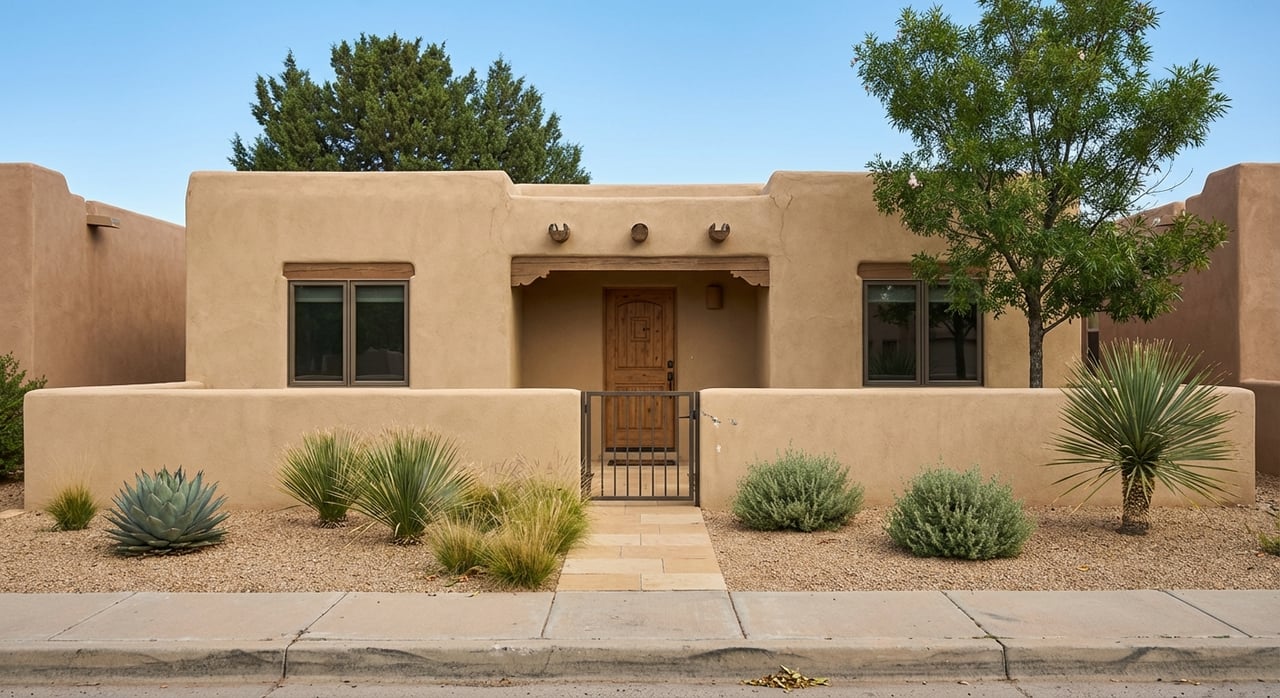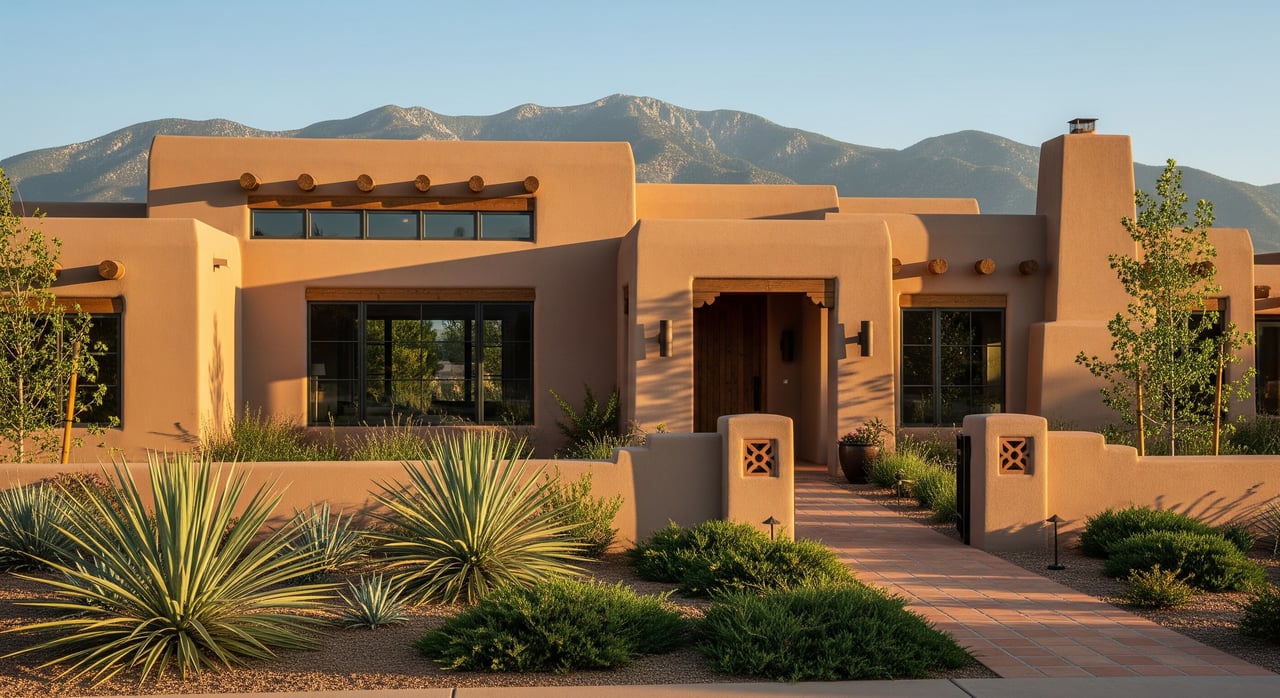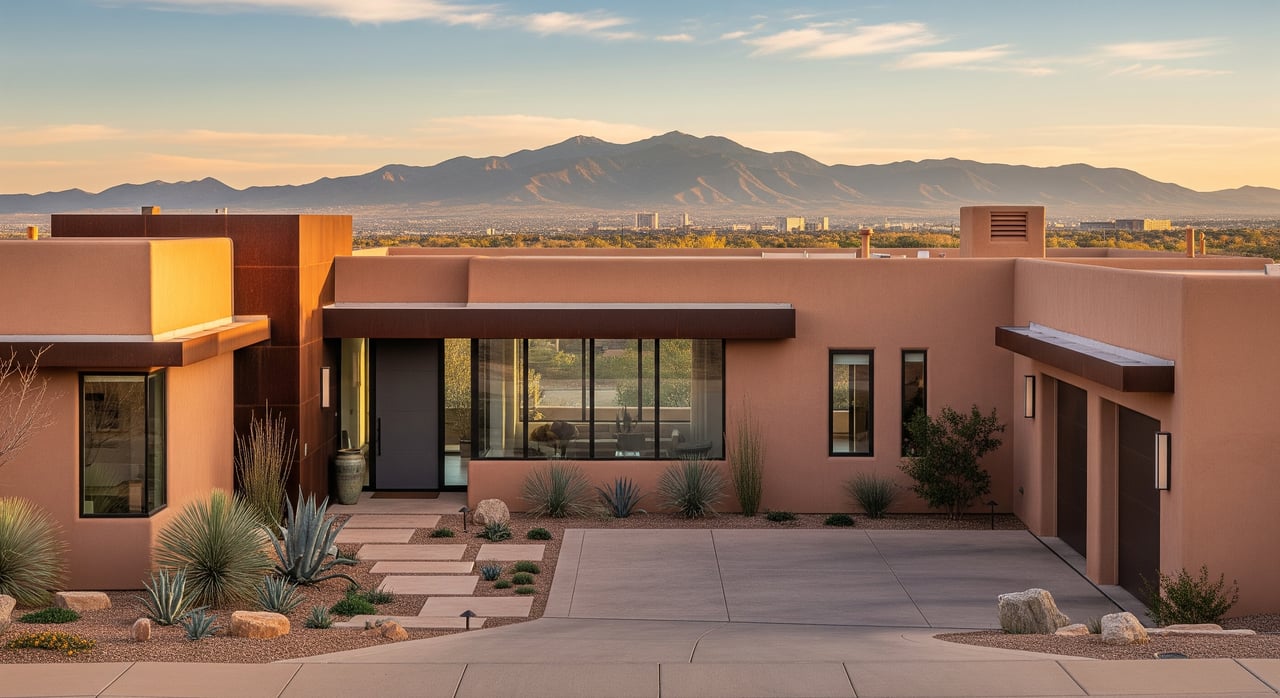
Is a condo, townhome, or detached house the smarter buy for your budget in Albuquerque? When you look beyond the list price, the monthly math can change fast. You want a home that fits your lifestyle without surprising costs or headaches later. In this guide, you’ll see how each option stacks up on HOA dues, insurance, utilities, maintenance, financing, and resale so you can choose with confidence. Let’s dive in.
What you really pay each month
Focusing on price alone can be misleading. Your total cost of ownership includes mortgage, property taxes, insurance, HOA or COA dues, utilities, and a maintenance reserve. In Albuquerque, what HOA dues include can swing your monthly cost more than you expect. Always compare apples to apples by lining up real quotes and bills for each property.
How property types differ in Albuquerque
Condos: lower entry, shared costs
With most condos, you own the interior and the association maintains exteriors and common areas. Dues may cover exterior upkeep, master insurance, landscaping, trash, and sometimes water and sewer. You’ll carry an HO6 policy for interior finishes and personal property, and the HOA’s master policy addresses the building depending on whether it is walls-in or walls-out. Condos are common near Downtown, UNM, and infill locations, and they can offer a lower purchase price with a trade-off of ongoing dues.
Townhomes: hybrid ownership and costs
Townhomes often share one or two walls and may include ownership of the land under the unit. Some associations insure and maintain exteriors like a condo, while others function more like single-family ownership. That classification affects insurance type, dues, financing, and your responsibility for roof and exterior. Many buyers like the townhome balance of less yard work with a more home-like feel.
Detached houses: more control, more upkeep
A detached home gives you full control of the structure and lot. You take on roof, exterior, yard, and most repairs, which can raise long-term costs. You’ll carry a standard homeowner HO3 policy and set your own maintenance schedule and budget. Detached homes usually attract the broadest buyer pool when you sell.
HOA and dues: what to check
HOA or COA dues in Albuquerque vary by age of the community, amenities, and what the association covers. Basic communities may include exterior upkeep and common areas, while amenity-rich ones add pools, gyms, gated access, or on-site management. Some associations include water, sewer, and trash, which meaningfully reduces your utility bills. Review the budget, reserve study, insurance declarations, meeting minutes, and any history of special assessments to gauge financial health.
Insurance differences you should know
- Condos typically require an HO6 policy that covers interiors, finishes, personal property, and liability. How much you need depends on the master policy and deductible.
- Townhome insurance varies based on whether the association covers the exterior. You might need HO6-like coverage or a standard HO3 if you own the structure and lot.
- Detached homes use an HO3 policy that covers the structure, personal property, liability, and additional living expenses.
- Local factors: Some properties near arroyos or mapped floodplains may need flood insurance. Wildfire exposure is limited but may affect certain foothill or North Valley pockets. Earthquake risk is low.
Utilities in Albuquerque
Electric service is widely provided by PNM, and city water and sewer are typically through the Albuquerque Bernalillo County Water Utility Authority. Natural gas service is common. Our high-desert climate means cooling loads can be modest at night, yet you should plan for both summer AC and winter heating. To compare properties fairly, request 12 months of electric, gas, water, sewer, and trash bills.
Maintenance and repairs: set a smart reserve
Detached homes require budgeting for roof, exterior paint or stucco, landscaping, driveways, and fencing. Townhomes reduce exterior costs if the association maintains the structure, though you still cover interior systems. Condos shift much of the exterior work to the association, but you should plan for interior repairs and system replacement. In Albuquerque, pay attention to stucco condition, flat or low-slope roofs, and HVAC age to forecast realistic costs.
Reserves and special assessments
Healthy reserves help an association avoid large one-time special assessments for roofs, paving, or major systems. Older buildings with low reserves carry more risk of assessments that can raise your total monthly cost. When you review documents, look for a current reserve study and steady contributions that match the plan.
Financing and approvals
Condos can face stricter lending standards. Many lenders look for project approval, sufficient reserves, low delinquency rates, and owner-occupancy thresholds. If a condo project is not eligible for certain loan types, you may need conventional financing or a larger down payment. Townhomes often finance like single-family homes if deeded to the lot, and detached homes follow standard single-family guidelines. First-time buyers should also ask about New Mexico Mortgage Finance Authority programs and how condo project status affects eligibility.
Resale realities in Albuquerque
Detached homes usually draw the widest buyer pool. Condos tend to appeal to buyers seeking low maintenance or central locations, while investor demand can be limited by HOA rental rules and lending constraints. Townhomes often bridge the gap with a home-like feel and less yard work. Neighborhood factors matter across the city, from Downtown and Nob Hill to the Northeast Heights, North Valley, and West Side, so use recent comparable sales to judge demand.
How to compare options: a simple plan
Start with your monthly target. Then build side-by-side totals for each property.
- Mortgage principal and interest: based on price, down payment, rate, and term
- Property taxes: use the current tax bill, not county averages
- Insurance: HO3 or HO6, plus any master policy considerations
- HOA or COA dues: confirm what they include and any pending assessments
- Utilities: average the last 12 months for electric, gas, water, sewer, and trash
- Maintenance reserve: set a monthly amount appropriate to the property type and age
- Replacement reserve: estimate big-ticket items like the roof or AC over their remaining life
Add these to get your true monthly total. This helps you see whether a lower purchase price with higher dues beats a higher purchase price with lower ongoing costs.
Practical checklist for each property
- Recent list price and 12-month comparable sales
- Latest property tax bill and assessed value history
- HOA or COA budget, reserve study, insurance declarations, meeting minutes, and CC&Rs
- Master insurance details to confirm walls-in or walls-out coverage
- 12 months of utility bills
- Roof, HVAC, water heater, and major system ages with expected remaining life
- Flood zone check and any wildfire considerations
- Rental policy and any short-term rental restrictions
- HOA delinquency rate and owner-occupancy percentage, if available
- Lender pre-approval and condo project approval status
Example scenarios to test
- Scenario A: You want the lowest monthly cost. Compare a smaller condo with modest dues against a compact detached home with higher mortgage and maintenance. Include real insurance quotes and 12 months of utilities.
- Scenario B: You want low maintenance. Compare a downtown condo with higher dues but no yard against a townhome with partial exterior coverage and a small detached ranch with a yard.
- Scenario C: You may rent later. Review HOA rental caps, pet policies, and short-term rental rules. Consider how these affect both financing and future resale.
Red flags in associations
- No recent reserve study or reserves well below recommended levels
- Repeated or large special assessments in meeting minutes
- High delinquency rates on dues
- Poorly maintained common areas
- CC&R rules that conflict with your plans for pets, rentals, or modifications
Ready to compare your short list?
If you want a clear, side-by-side cost picture, gather the documents above and build your monthly total for each property. If you prefer a guided approach, I can help you request HOA documents, analyze utility and insurance quotes, and run comps by neighborhood so the numbers are clear and easy to compare. For calm, financially grounded advice tailored to your move, connect with April Rodas to get started.
FAQs
What costs do condo HOA dues typically cover in Albuquerque?
- Dues often include exterior maintenance, common-area landscaping, master insurance, trash, and sometimes water and sewer, but coverage varies by community and age.
How does condo insurance differ from a house in Bernalillo County?
- Condos usually need an HO6 policy for interiors and personal property, while detached homes use an HO3 policy that covers the full structure plus belongings and liability.
Do townhomes finance like condos or houses in Albuquerque?
- It depends on the legal setup. If you own the lot and structure, lenders often treat it like a single-family home. If the association insures the exterior, it may finance more like a condo.
Are property taxes lower for condos than houses in Albuquerque?
- Taxes are based on assessed value, not property type, so compare the actual tax bill for each property rather than relying on averages.
What utility providers serve most Albuquerque homes?
- Electricity is typically through PNM, city water and sewer through the Albuquerque Bernalillo County Water Utility Authority, and natural gas is common in many neighborhoods.
How can I estimate maintenance costs for an older Albuquerque home?
- Review roof, stucco, HVAC, water heater, and other system ages, then set a monthly reserve that reflects the home’s condition and expected replacements.
What HOA red flags could affect my monthly cost and resale?
- Thin reserves, repeated special assessments, high delinquency, and restrictive rental rules can raise ongoing costs and limit your future buyer pool.