When you are preparing an Albuquerque home for an estate sale, it can feel like you are juggling paperwork, memories, and a long to-do list all at once. If you are an executor, trustee, or family member, you may also be trying to manage the process from out of town while making careful decisions under stress. The good news is that estate-sale prep becomes much more manageable when you break it into clear steps. Let’s walk through how to handle authority, clean-out, and market-ready prep so you can move forward with confidence.
Start With Authority and Paperwork
Before you clear the house or plan a sale, confirm who has the legal authority to act. In New Mexico, probate is the court process that gives someone authority to handle a deceased person’s affairs when property is titled in that person’s name.
If the court appoints a personal representative, that person receives Letters Testamentary or Letters of Administration. Real property may also need a personal representative’s deed to move title out of the decedent’s name. If there is no will, New Mexico intestacy laws control who can be appointed and who receives property.
This step matters because personal items and real estate are treated differently. The New Mexico court guide notes that many personal effects are not titled and may not require probate, while real estate titled in the decedent’s name often does. That is why it helps to separate the house itself from the contents inside it.
For a practical first step, check Bernalillo County records. The county assessor identifies ownership and taxable property values, and the county treasurer’s public search is the place to verify property-tax status.
Know the Basic Tax Picture
Families often worry that inheriting a home will automatically trigger a state inheritance tax. In New Mexico, the state does not impose an inheritance tax.
The state estate tax was phased out, although a New Mexico estate tax return may still be required if federal Form 706 must be filed. Estates and trusts can also owe fiduciary income tax on income they generate. For most families, the key takeaway is simple: do not assume there is a state inheritance tax bill, but do make sure the estate’s tax situation is reviewed as part of the process.
Separate the Work Into Three Tracks
One of the easiest ways to reduce stress is to split the project into three work streams. In Albuquerque, estate-sale prep usually moves more smoothly when you treat authority and paperwork, contents clearing, and market-ready presentation as separate jobs.
That approach keeps you from making cosmetic decisions before title questions are clear. It also helps you avoid spending money on repairs before you know what the property needs to compete in the local market.
Clear the Home in the Right Order
When it is time to tackle the contents, start with a plan instead of a dumpster. The City of Albuquerque encourages reuse and repurposing before disposal, which supports a practical order: sort, donate, sell, then discard.
That sequence usually saves time and money. It also gives families space to identify sentimental items, documents, and valuables before the house is emptied too quickly.
Sort First
Start room by room and create simple categories:
- Keep for heirs or the estate
- Important papers and records
- Donate
- Sell
- Trash
- Hazardous items for special disposal
If you are coordinating from out of town, ask for labeled bins, photo updates, or a shared inventory list. Small systems like these can prevent confusion and repeated trips.
Use Albuquerque Pickup and Drop-Off Options
For bulky items, Albuquerque residential customers can request no-charge large-item pickup for things like furniture, mattresses, appliances, and TVs. The request must be made one day before the regular trash collection day.
If the property has a larger volume of debris, city convenience centers can take excess trash, yard waste, and large items for $5.25 per load for residents and small commercial customers. This can be helpful when you are trying to clear a house on a tighter timeline.
Handle Hazardous Waste Carefully
Not everything can go to the curb or to a convenience center. Albuquerque convenience centers prohibit hazardous waste, medical waste, construction and demolition debris, roofing materials, free liquids, fire extinguishers, compressed gas cylinders, ammunition, and firearms.
For household hazardous waste, Albuquerque and Bernalillo County residents can use the Household Hazardous Waste Collection Center at no charge. The city says it accepts items such as paint, cleaners, batteries, fertilizers, pesticides, used motor oil, propane bottles, and some medications.
This is an important estate-sale step because older homes often contain partially used paint cans, automotive fluids, batteries, and cleaning products stored for years. Clearing those safely protects the home and makes it easier to show the property later.
Don’t Toss Electronics in the Blue Cart
E-waste has its own rules. Albuquerque says electronics should not go in the blue recycling cart.
The city directs electronics recycling to the Eagle Rock Convenience Center, where fees apply, and TVs are handled separately through 311 pickup. Batteries are treated as household hazardous waste, not regular e-waste, so they need separate handling.
Tidy the Yard Too
A neglected yard can make a home feel abandoned, even when the interior is in decent shape. Albuquerque offers seasonal green-waste collection and year-round drop-off options.
During green-waste collection events, bagged material should be at the curb by 7 a.m. on the regular trash day, and each bag is limited to 40 pounds. If the property has overgrown shrubs, fallen branches, or a yard full of leaves, this can be one of the fastest ways to improve first impressions.
Be Careful With On-Site Sales
Some families assume they can hold a multi-day liquidation sale at the house without restrictions. In Albuquerque, garage and yard sales at a dwelling are allowed only under narrow conditions.
City zoning rules say there can be no more than one sale at the same dwelling in any 12-month period, no more than three consecutive days, no resale inventory, and only one non-illuminated sign up to six square feet placed on the premises. If you are considering an on-site estate-style sale, these local rules should be part of your planning.
Focus Repairs on Safety, Function, and Marketability
Once the home is mostly cleared, you can assess what it really needs before listing. In many estate properties, the goal is not a full remodel. The smarter approach is usually to focus on safety issues, deferred maintenance, and presentation items that help buyers evaluate the home clearly.
That might include cleaning, paint touch-ups, basic landscaping, hauling debris, replacing broken fixtures, or addressing obvious maintenance concerns. Every property is different, but a clean and functional home is easier for buyers to understand than one crowded with belongings or unfinished projects.
Check Permit Requirements Before Work Starts
In Albuquerque, permits are required for remodeling and many common projects. The city says permits may be needed for re-roofing, electrical work, plumbing and mechanical work, additions, and certain walls and fences.
Homeowners or contractors are responsible for getting the right permit before work begins. The city also offers express permits for some minor work, including residential re-roofing without truss repairs, roof-mounted solar under 50 kWs, and residential water heater replacement.
If the home is in an HOA, the city says plans should be approved by the association before applying for a building permit. This is easy to overlook during an estate sale, especially when family members are trying to move quickly.
Make the Home Feel Ready for the Market
After the home is cleared and basic repairs are handled, the final step is presentation. This matters even in a market where inventory is limited.
The Greater Albuquerque Association of REALTORS reported a January 2026 median sales price of $369,000 for single-family detached homes, 51 days on market, 98.3% of list price received, 1,616 homes for sale, and a 2.2-month absorption rate. Those numbers suggest that buyers are active, but clean presentation and realistic pricing still matter.
Why Staging Helps
Staging is not just about making a house look pretty. It helps buyers understand the space and picture how rooms function.
According to NAR’s 2025 home-staging survey, 83% of buyers’ agents said staging makes it easier for buyers to visualize a home as their future home. The same survey found that 49% of sellers’ agents said staging reduced time on market, and 29% said it increased the dollar value offered by 1% to 10%.
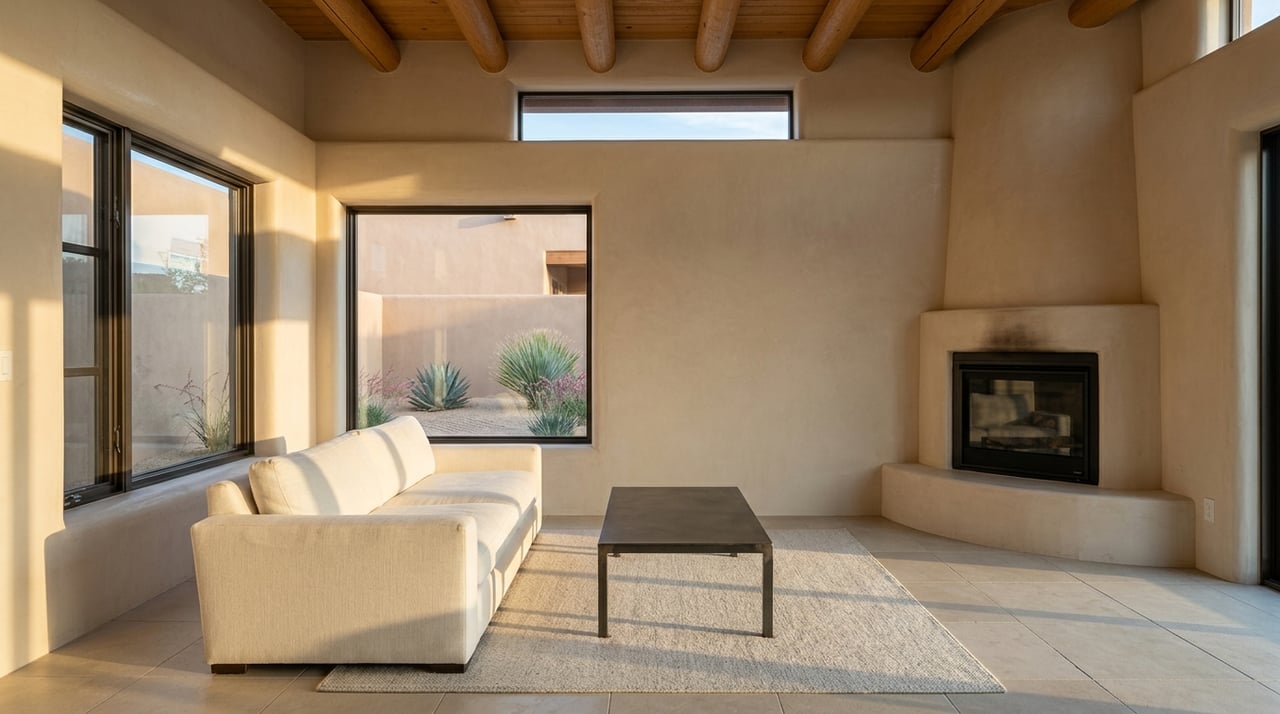
For estate homes, even light staging can make a big difference after a property has been emptied. A few well-placed furnishings and a clean, open layout can soften the vacant feel and help buyers focus on the home itself.
Remote Coordination Tips for Out-of-Town Executors
If you are managing an Albuquerque estate sale from another city or state, use local systems to reduce unnecessary travel. Albuquerque’s 311 service can help with non-emergency city requests, and the city’s permitting portal supports online applications and status checks.
The city’s solid-waste pages also support collection-day lookup and pickup requests. When paired with a clear timeline, these tools can make remote coordination much easier.
A simple remote plan often includes:
- Confirming authority and title status first
- Checking county ownership and tax records
- Scheduling trash, bulky-item, and hazardous-waste disposal
- Getting bids for cleaning and repair work
- Reviewing permit needs before any major project
- Preparing the home for listing once the house is cleared
A Steady Approach Protects Value
Estate sales are rarely just about selling a house. They often involve grief, family logistics, deadlines, and the pressure to make careful financial decisions at the same time.
A calm, step-by-step approach can protect both your time and the property’s value. When you focus first on authority, then on clean-out, and finally on market presentation, the process becomes much easier to manage.
If you are preparing an Albuquerque home for an estate sale and want clear local guidance, April Rodas offers calm, informed support for estate and trust-related sales across Albuquerque.
FAQs
What should you do first when preparing an Albuquerque home for an estate sale?
- Start by confirming legal authority to act, especially if the home is titled in the deceased person’s name, then verify ownership and property-tax status through Bernalillo County records.
Do you pay inheritance tax on an Albuquerque estate home?
- New Mexico does not impose an inheritance tax, although some estates may still have filing obligations or fiduciary income tax considerations depending on the circumstances.
How do you dispose of large items from an Albuquerque estate property?
- Albuquerque residential customers can request no-charge large-item pickup for furniture, mattresses, appliances, and TVs, or use city convenience centers for excess trash and large items for a per-load fee.
Where can you take hazardous waste from an Albuquerque estate clean-out?
- Albuquerque and Bernalillo County residents can bring household hazardous waste such as paint, batteries, cleaners, pesticides, used motor oil, propane bottles, and some medications to the Household Hazardous Waste Collection Center at no charge.
Can you hold an on-site estate sale at an Albuquerque house?
- Albuquerque zoning rules allow a garage or yard sale at a dwelling only under limited conditions, including no more than one sale in a 12-month period and no more than three consecutive days.
Do repairs on an Albuquerque estate home need permits?
- Many common projects do require permits in Albuquerque, including re-roofing, electrical, plumbing, mechanical work, additions, and certain walls and fences, so permit requirements should be checked before work begins.